Housing and New Pathways to Self-Reliance: Emerging Evidence from Rental Support Interventions in Colombia for Displaced Women

By Juan Pablo Franco Jiménez
Country Director | Blumont Colombia
In 2024, the Independent Review of the Inter-Agency Standing Committee (IASC) humanitarian response to displacement concluded that, over the past 30 years, the response has been too slow, not joined-up, and unresponsive to the specific needs of internally displaced persons—shortcomings that affect refugees and migrants equally.

Housing is one of these overlooked needs. Although displacement strips people of the place they called home and of the safety and pride it offered, the prevailing approach still assumes that families without a home primarily need jobs and income. Blumont is challenging this assumption by proposing a different starting point. Rather than simply putting money in people’s pockets, Blumont focuses on helping them access adequate housing—somewhere they can truly call their new home—and building their recovery from that foundation.
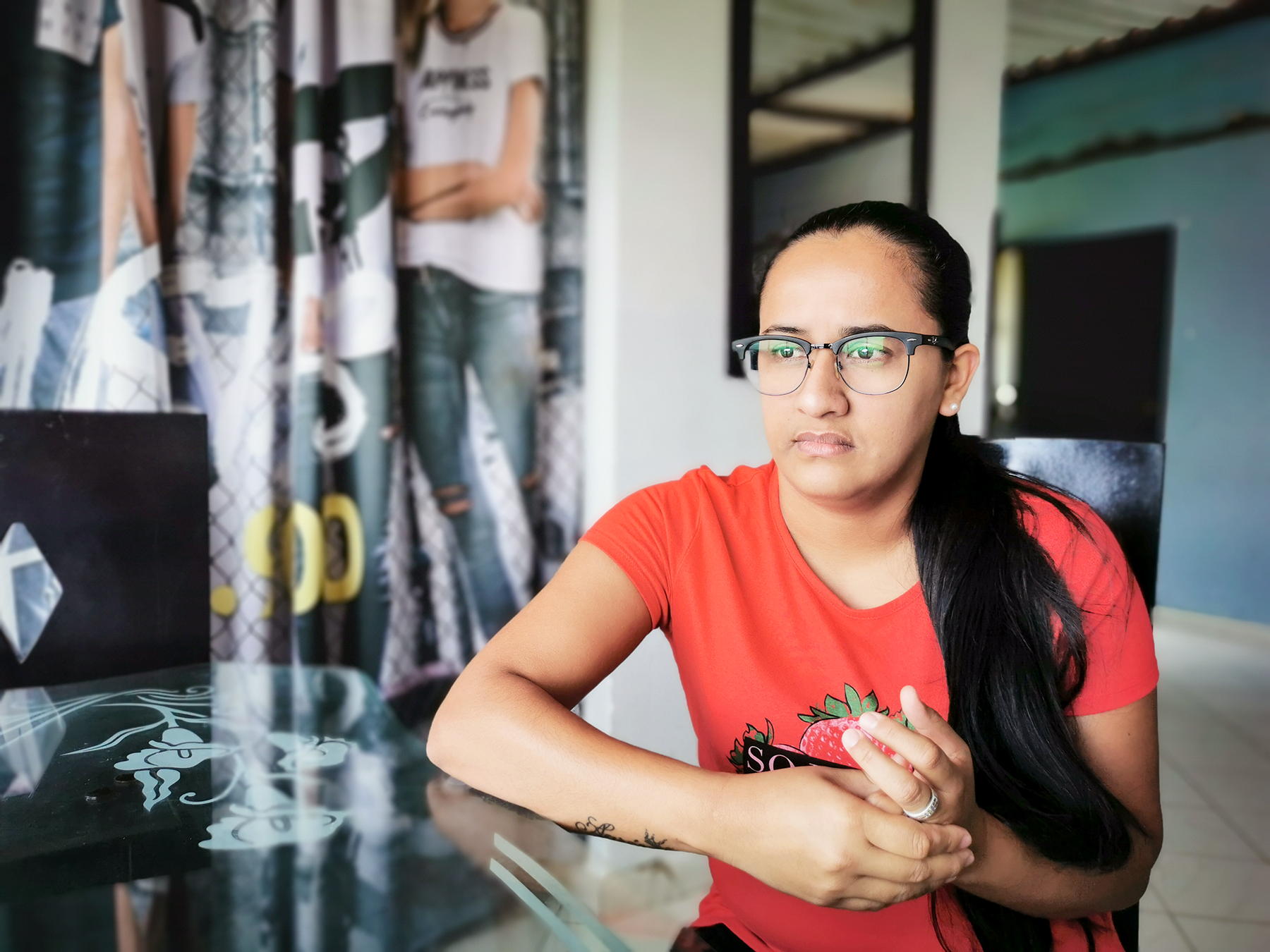
Since 2021, funded by the U.S. Government, Blumont has provided rental support to nearly 16,000 IDPs, refugees, and migrants in Colombia, all of them female-headed families. Leveraging robust local rental markets, Blumont provides rental support for adequate housing for a sufficient number of months: six months for IDPs and nine months for migrants.
In 2025, Blumont partnered with the Refugee Self-Reliance Initiative (RSRI) and the Washington University in St. Louis to conduct a quasi-experimental impact evaluation of rental support for migrant women. This study shows that rental support leads to strong and lasting improvements in self-reliance, peace of mind, and overall well-being for displaced households, with treatment families continuing to outperform similar households twelve months after support ended.
Results from another quasi-experimental impact evaluation in 2024 showed similar results for internally displaced women one year after the end of rental support. Overall, these evaluations confirm that jobs and incomes are not the only path to follow. The other path is the peace of mind that comes from safe and adequate housing—a place they can call home. This peace of mind allows them to overcome scarcity, enhance their capacity for self-reliance, and move toward durable solutions.
There are still several questions that Blumont and the RSRI are working on to understand the pathways leading to these results and how outcomes like self-reliance, peace of mind, and emotional well-being reinforce each other as displaced women rebuild their lives. At a critical time for the humanitarian and development response to displacement, housing emerges as a different path that delivers life-changing impact.
This blog post was published as part of the RSRI’s “12 Months, 12 Domains” campaign, a new learning and webinar series that takes a deeper look at the Self-Reliance Index (SRI), one domain at a time. Sign up for the RSRI newsletter to learn more →