In many emergency contexts, aid agencies hesitate to provide aid for extended periods because of fears that doing so may create ‘dependency’. These concerns can influence decisions about levels of assistance, and what type of assistance people receive, where and when. Relief should not be withheld without solid evidence that the needs which prompted it in the first place have been met. This paper argues for caution about how the label ‘dependency’ is applied, and how it is used to justify reductions in relief.
Recent Resources
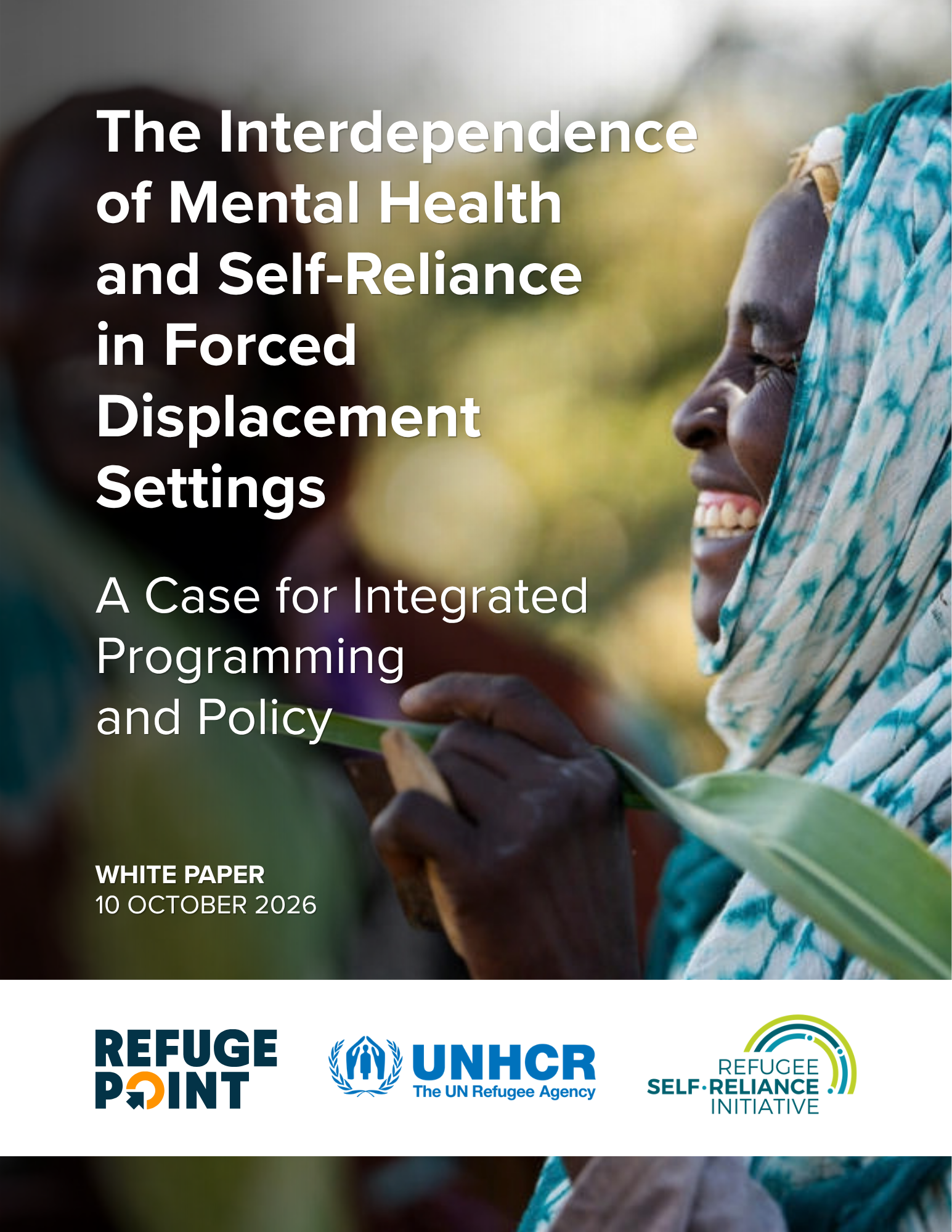
Publication Year: 2026, Organizations: RefugePoint, Organizations: UNHCR, Organizations: Refugee Self-Reliance Initiative, Tags: Mental Health and Pyschosocial Wellbeing, Tags: Holistic Programming, Resource Type: Programmatic, Theme: Social Inclusion, Theme: Programming
Publication Year: 2026, Organizations: RefugePoint, Organizations: UNHCR, Organizations: Refugee Self-Reliance Initiative, Tags: Mental Health and Pyschosocial Wellbeing, Tags: Holistic Programming, Resource Type: Programmatic, Theme: Social Inclusion, Theme: Programming
Publishing Organizations: RefugePoint, UNHCR, Refugee Self-Reliance Initiative
Authors: Sonasha Braxton, Anna Nicol, and Simar Singh (RefugePoint); Awa Ahmed Haji Omar, Sofia Casas, and Peter Ventevogel (UNHCR); Alli Gillespie and Shelby Quackenbush (RSRI)
Organizations: Refugee Self-Reliance Initiative, Refugee Self-Reliance Initiative, RSRI Publications, Tags: 50 by 35, Publication Year: 2026
Organizations: Refugee Self-Reliance Initiative, Refugee Self-Reliance Initiative, RSRI Publications, Tags: 50 by 35, Publication Year: 2026
Publishing Organizations: Refugee Self-Reliance Initiative
Organizations: Journal of Immigrant & Refugee Studies, Publication Year: 2025, Resource Type: Academic, Tags: Economic Inclusion, Tags: Capacity Building, Tags: Social Inclusion, Tags: Mental Health & Psychosocial Wellbeing, Theme: Impact, Population: Refugees, Tags: Urban, Region: East Africa
Organizations: Journal of Immigrant & Refugee Studies, Publication Year: 2025, Resource Type: Academic, Tags: Economic Inclusion, Tags: Capacity Building, Tags: Social Inclusion, Tags: Mental Health & Psychosocial Wellbeing, Theme: Impact, Population: Refugees, Tags: Urban, Region: East Africa
Publishing Organizations: Journal of Immigrant & Refugee Studies
Authors: Habiba Ibrahim; Jacinta Mutie; Mohamed Ibrahim; Anna Marie Ronning; Makayla Gille
Organizations: Cambridge University Press, Country: Uganda, Tags: Food Aid, Tags: Disability Inclusion, Theme: Policy, Resource Type: Academic, Population: Refugees, Publication Year: 2022, Organizations: International African Institute
Organizations: Cambridge University Press, Country: Uganda, Tags: Food Aid, Tags: Disability Inclusion, Theme: Policy, Resource Type: Academic, Population: Refugees, Publication Year: 2022, Organizations: International African Institute
Publishing Organizations: Cambridge University Press on behalf of the International African Institute
Authors: Maria-Theres Schuler
Resource Type: Academic, Theme: Policy, Population: Refugees, Publication Year: 2025, Tags: Humanitarian-Development Nexus, Tags: Protection, Tags: Social Inclusion
Resource Type: Academic, Theme: Policy, Population: Refugees, Publication Year: 2025, Tags: Humanitarian-Development Nexus, Tags: Protection, Tags: Social Inclusion
Publishing Organizations: The Journal of Refugee Studies
Authors: Judith Kohlenberger, Charles Martin-Shields, Evan Easton-Calabria
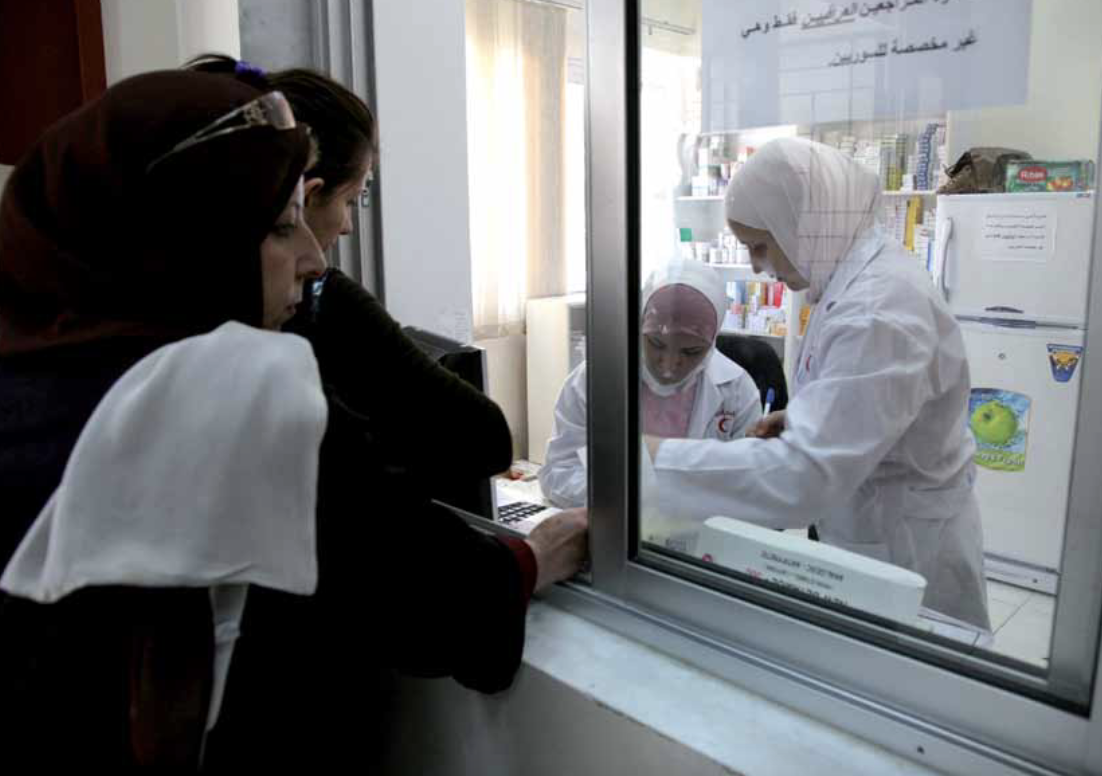
Resource Type: Policy, Resource Type: Programmatic, Theme: Policy, Theme: Programming, Population: Refugees, Publication Year: 2011, Organizations: UNHCR, Tags: Urban, Tags: Health, Tags: Protection, Tags: Humanitarian-Development Nexus
Resource Type: Policy, Resource Type: Programmatic, Theme: Policy, Theme: Programming, Population: Refugees, Publication Year: 2011, Organizations: UNHCR, Tags: Urban, Tags: Health, Tags: Protection, Tags: Humanitarian-Development Nexus
Publishing Organizations: UNHCR
Resource Type: Policy, Resource Type: Programmatic, Theme: Policy, Theme: Programming, Population: Refugees, publication year: 2023, Organization: WHO, Tags: Health, Tags: Mental Health & Psychosocial Wellbeing
Resource Type: Policy, Resource Type: Programmatic, Theme: Policy, Theme: Programming, Population: Refugees, publication year: 2023, Organization: WHO, Tags: Health, Tags: Mental Health & Psychosocial Wellbeing
Publishing Organizations: WHO
Resource Type: Academic, Theme: Programming, Publication Year: 2025, Country: United States, Tags: Education, Organizations: Prevention Science
Resource Type: Academic, Theme: Programming, Publication Year: 2025, Country: United States, Tags: Education, Organizations: Prevention Science
Publishing Organizations: Prevention Science
Authors: Elly Miles; Erin Doyle; Soumita Bose; Hamutal Bernstein
Resource Type: Academic, Theme: Policy, Theme: Impact, Population: Refugees, Publication Year: 2021, Tags: Education
Resource Type: Academic, Theme: Policy, Theme: Impact, Population: Refugees, Publication Year: 2021, Tags: Education
Publishing Organizations: International Review of Education
Authors: Linda Morrice
Resource Type: Academic, Theme: Impact, Population: Refugees, Publication Year: 2020, Country: Uganda, Tags: Education, Organization: American Association for Adult and Continuing Education
Resource Type: Academic, Theme: Impact, Population: Refugees, Publication Year: 2020, Country: Uganda, Tags: Education, Organization: American Association for Adult and Continuing Education
Publishing Organizations: American Association for Adult and Continuing Education
Authors: Salome Joy Awidi and Kofi Quan-Baffour
