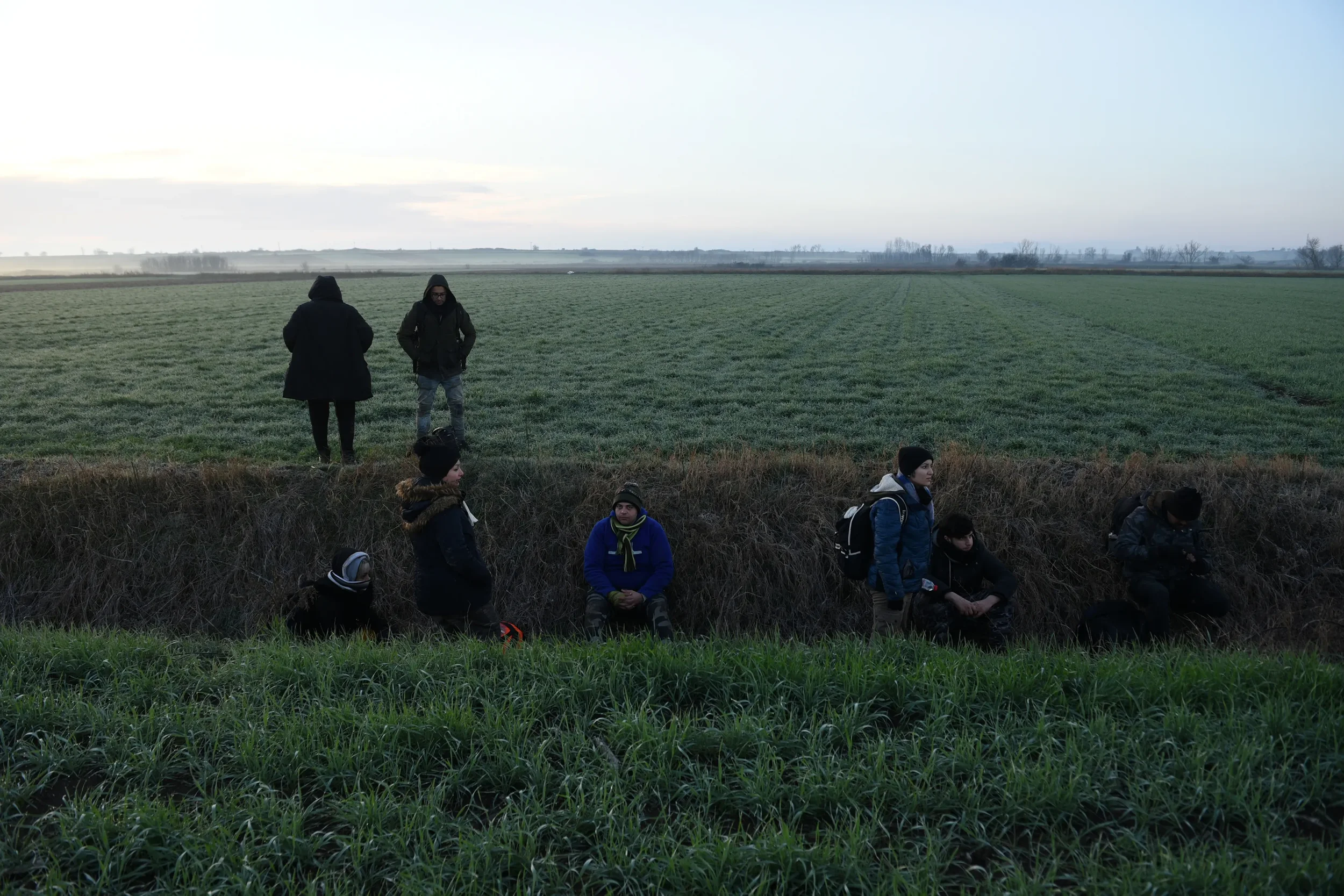
The forcibly displaced population is at a record high, including over 35 million refugees. Most refugees are hosted in neighboring countries where they face limited opportunities to rebuild their lives and they often remain in protracted displacement for an average of 20 years. The traditional durable solutions namely - repatriation, resettlement and local integration, are increasingly scarce, with only four percent of refugees achieving any of these outcomes recently. Humanitarian efforts are overwhelmed, making the prevailing response to refugee crises inadequate. Developing innovative and sustainable support strategies is imperative. Thus, in recent years, a solution to the plight of refugees has focused on the development of self-reliance intervention
Guided by the Amartya Sen Capabilities Approach and the Kalobeyei Conceptual Framework for Refugee Self-Reliance, this qualitative study explored the impact the Urban Refugee Protection Program (URPP), a self-reliance intervention program, on participant well-being. Data was collected through in-depth interviews with 23 refugees from various African countries during the summer of 2023 (June-August). The study identifies five themes: economic empowerment through holistic approach, capacity building, emotional and social benefits, and challenges faced by refugees. The findings emphasize the importance of self-reliance interventions as a critical solution to the global refugee crisis. The holistic approach addresses multiple dimensions of well-being, helping refugees transition from survival to self-sufficiency, restoring their dignity and hope for the future. Implications for practice, policy and research are discussed.