Understanding Sexual and Reproductive Health and Rights as a Critical Pathway for Refugee Self-Reliance

By Julianne Deitch
Director of Research | Women’s Refugee Commission
When we discuss refugee self-reliance – the ability of displaced people to meet their basic needs, rebuild their lives, and participate fully in their communities in a sustainable manner – sexual and reproductive health and rights (SRHR) are rarely part of the conversation. Yet SRHR is not a secondary concern for refugees; it is a foundational one, without which the other building blocks of self-reliance, such as education, employment, safety, and economic stability, become far more difficult to achieve.
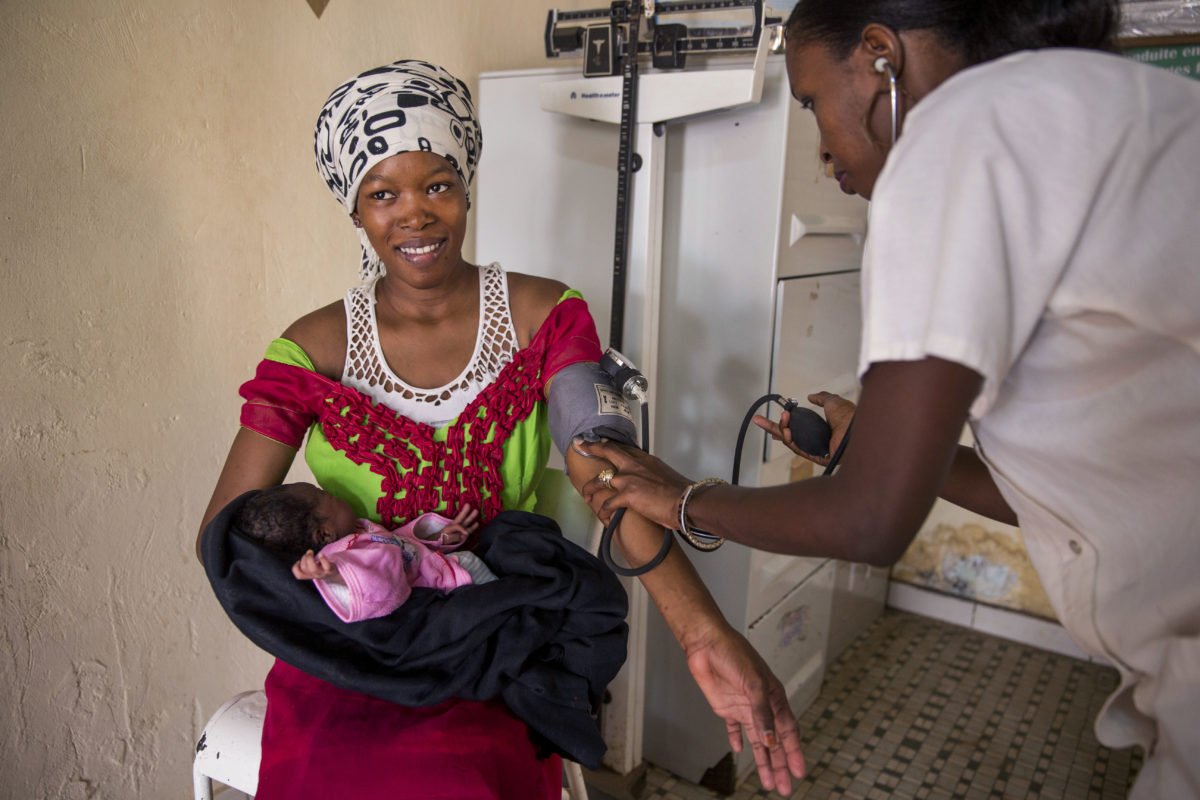
A woman and her baby receive postnatal care at a health center in Guediawye, Senegal.
Photo: Jonathan Torgovnik/Getty Images/Images of Empowerment
SRHR encompasses access to contraception, maternal health care, prevention and treatment of sexually transmitted infections, and care for survivors of gender-based violence. Full access to quality SRHR services ensures that people can make informed decisions about their bodies and reproductive lives, free from discrimination, coercion, and violence. Decades of research show that SRHR is both lifesaving and life-sustaining, determining whether someone can move through the world with autonomy, stability, and dignity.
The health consequences of inadequate SRHR access in humanitarian settings are devastating and well-documented. Countries affected by humanitarian crises account for nearly 60% of all maternal deaths globally, and the overwhelming majority of those deaths are preventable with basic healthcare, including family planning and skilled birth attendance. WHO data show that while maternal deaths have decreased by more than 30% since 2000, progress has stalled since 2016, and crisis-affected communities remain the furthest behind.
In displacement settings, women and girls face compounded risks, including increased incidence of gender-based violence, unintended pregnancy, unsafe abortion, and death in childbirth. These risks are the consequence of systems that consistently fail to prioritize SRHR as essential care, leaving refugee women and girls without the contraception, maternal care, and GBV services that would otherwise allow them to rebuild their lives with greater safety and stability.
The Refugee Self-Reliance Initiative (RSRI)’s Self-Reliance Index (SRI) framework measures self-reliance across multiple domains, from food security and housing, to education, safety, and financial resources. SRHR has a direct bearing on nearly all of them.
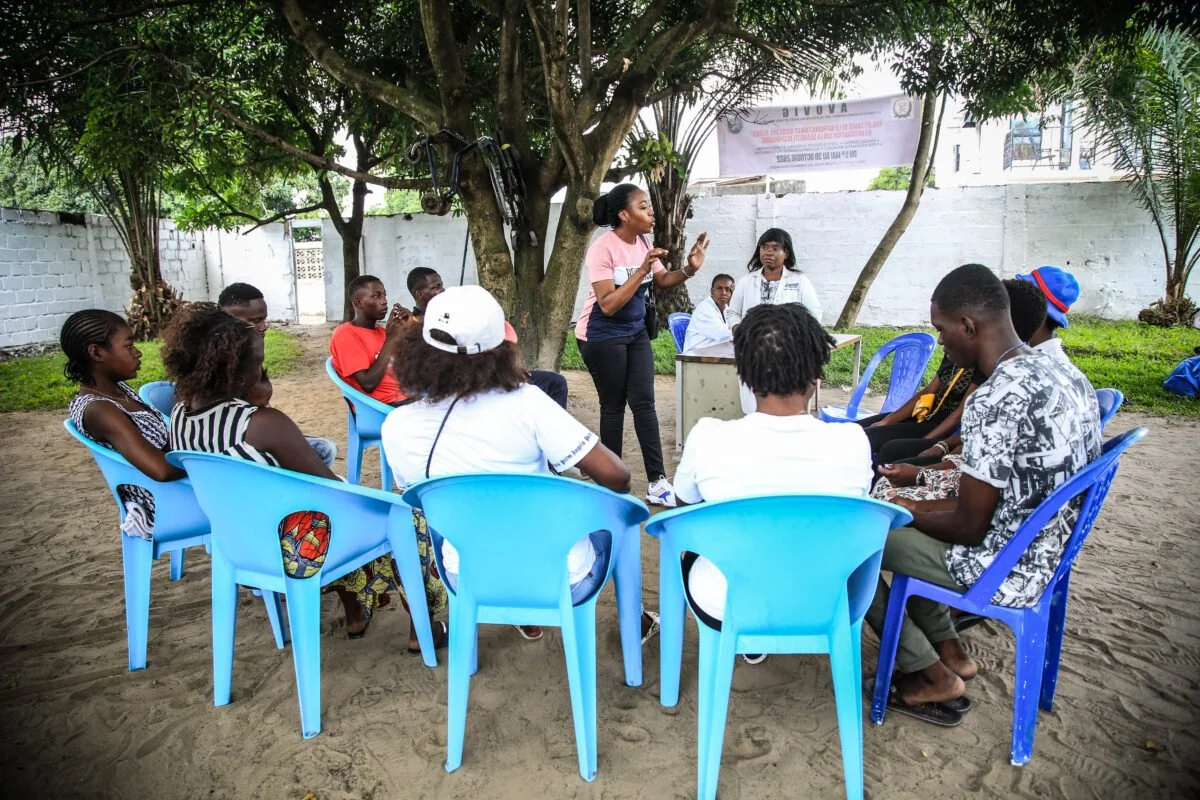
A community volunteer introduces a reproductive health campaign to a group of young people in Kinshasa, Democratic Republic of the Congo.
Photo: Fonds pour les Femmes Congolaises/Images of Empowerment
The education domain offers a clear illustration of how these connections work in practice. When adolescent girls lack access to contraception, safe abortion care, or comprehensive sexuality education (CSE), unintended pregnancies can force them out of school prematurely. Stigma, caregiving responsibilities, and health complications make return nearly impossible. The Women’s Refugee Commission (WRC)’s foundational research on child marriage in humanitarian settings shows how gaps in SRHR in humanitarian settings, particularly a lack of access to contraception and sexuality education, contribute to early marriage, which in turn forces girls out of school.
The ripple effects of limited access to SRHR services extend just as clearly into employment safety. Women who cannot plan if or when to have children face direct constraints on their ability to enter and sustain livelihoods, particularly in displacement settings where economic opportunities are already scarce. Limited access to SRHR services for survivors of sexual and gender-based violence means that women and girls may not receive essential and lifesaving care, including emergency contraception or clinical management of rape, reinforcing cycles of vulnerability that undermine every other dimension of self-reliance.
The evidence on SRHR in humanitarian settings is extensive, and the policy and programmatic interventions that work are well understood; what is required is the political will and sustained financial commitment to act on what we already know.
Integrate SRHR into self-reliance programming
Self-reliance frameworks must explicitly recognize SRHR as a cross-cutting enabler rather than a siloed health intervention. Health system strengthening, employment programs, education initiatives, and GBV response must all be designed with SRHR access as a foundational component.
Invest in community-based service delivery
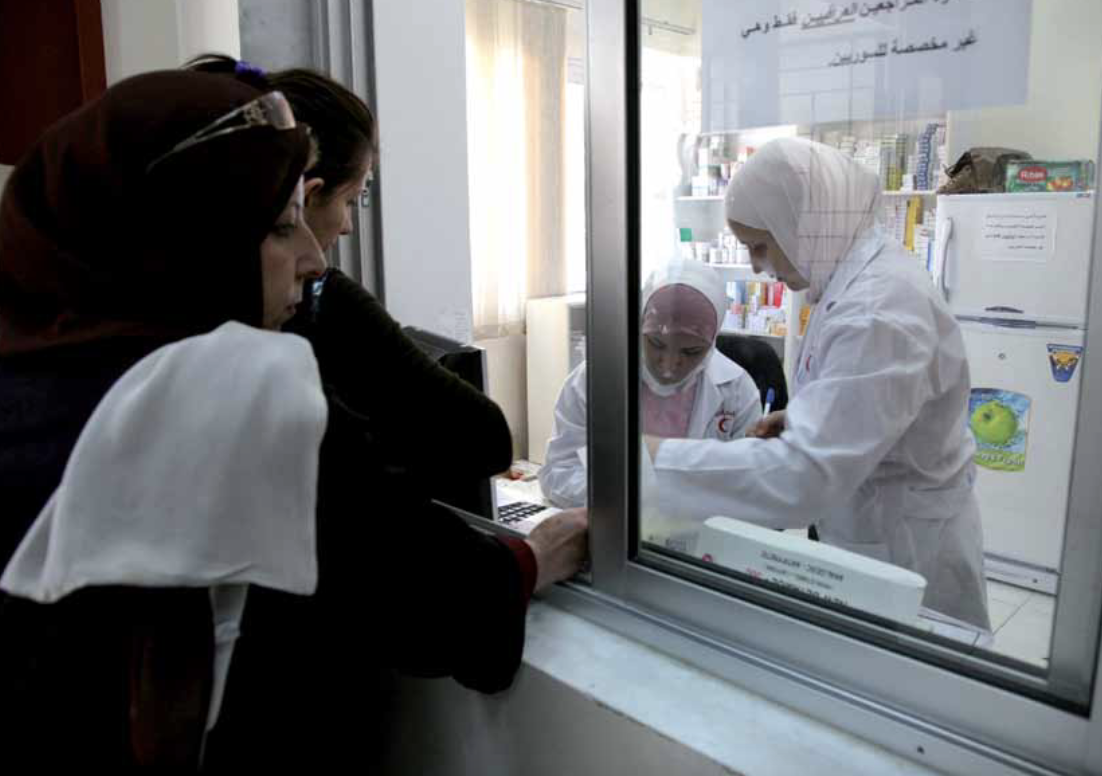
Formal health facilities are often inaccessible to refugee women due to cost, distance, documentation requirements, or fear of discrimination. Approaches that meet women where they are – mobile clinics, community health workers, digital platforms – are essential to reaching those most at risk.
Fund and trust women-led organizations
Community-based providers and women-led organizations are often the first to identify gaps, the most trusted by the communities they serve, and the most adaptable in crisis. Meanwhile, women-led organizations are increasingly and chronically underfunded. Shifting resources and decision-making power to these actors is a precondition for a responsive and inclusive humanitarian system.
Restore and increase funding
Donors must reverse cuts to SRHR programming and commit to sustained, long-term funding for sexual and reproductive health services in humanitarian settings. The Minimum Initial Service Package (MISP) for SRH in Crises sets out the global standard for what must be available from the onset of any humanitarian emergency. Amidst shrinking resources and global backlash to gender equality, this standard must be funded and enforced.
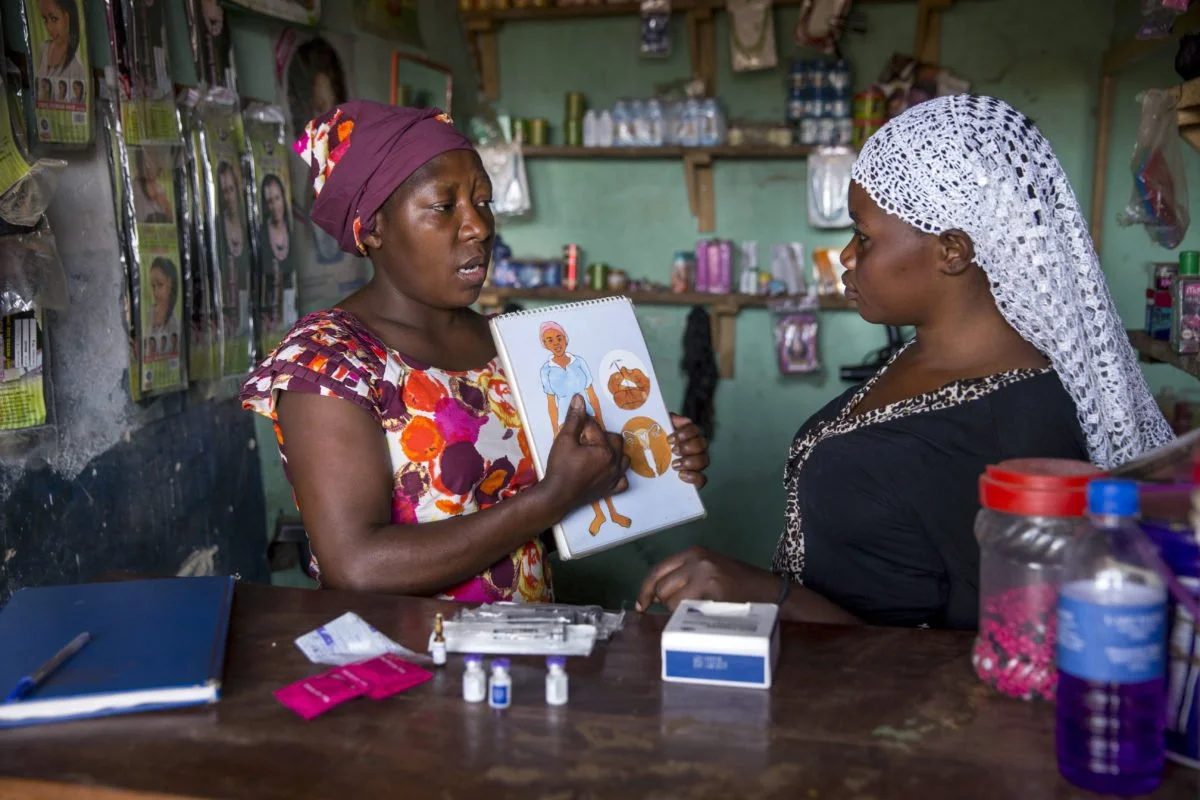
A community health worker provides family planning services and options to a woman during a home visit in Mbale, Uganda.
Photo: Jonathan Torgovnik/Getty Images/Images of Empowerment
Self-reliance is ultimately about whether individuals can move through their lives with autonomy, safety, and dignity. Sexual and reproductive health and rights are inseparable from that goal.
When refugees can make informed decisions about their bodies, plan their families, and access quality care throughout their lives, they are meaningfully better positioned to pursue education, secure livelihoods, ensure protection, and build stable futures for themselves and their households.
This blog post was published as part of the RSRI’s “12 Months, 12 Domains” campaign, a new learning and webinar series that takes a deeper look at the Self-Reliance Index (SRI), one domain at a time. Sign up for the RSRI newsletter to learn more →