How Education Support Is Strengthening Self-Reliance for Refugee Families

By Clinton Odera
Monitoring, Evaluation, and Learning Manager, Direct Services | RefugePoint
For many refugee families in Nairobi, keeping children in school is a persistent challenge. School fees, uniforms, and learning materials often compete with more immediate needs like food and rent. When resources are limited, education can quickly fall behind other urgent priorities, such as affording food, housing, and other necessities.
Targeted education support through RefugePoint’s Urban Refugee Protection Program (URPP) helps protect children’s learning while strengthening families’ broader pathways to self-reliance. By covering school fees, uniforms, and learning materials, the program reduces financial pressure on refugee households, helping ensure children remain in school while allowing parents to focus on stabilizing their livelihoods.
Education as a Foundation for Self-Reliance
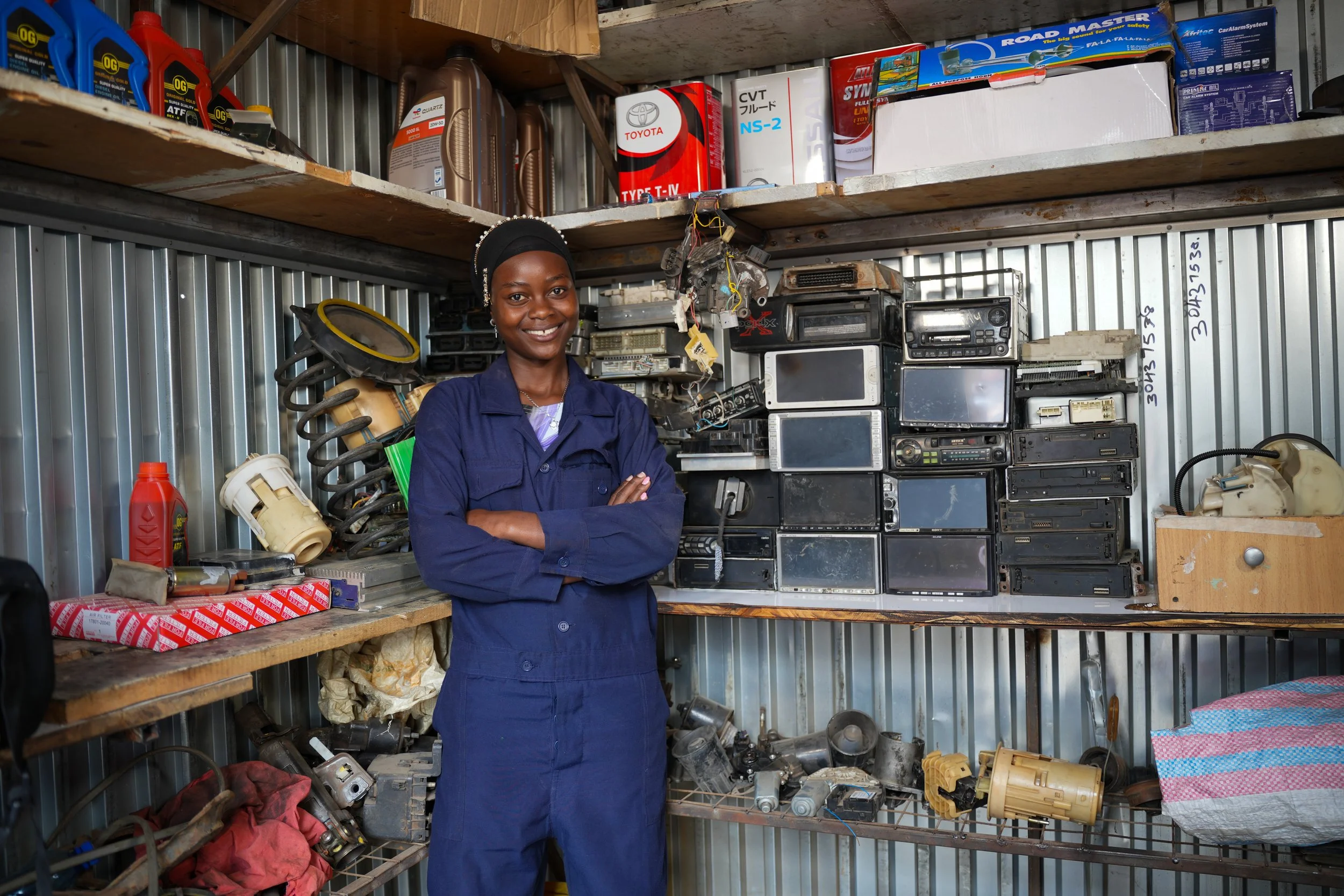
Photo: Diana Karua | Nairobi, Kenya
More than 118,000 refugees and asylum seekers live in Nairobi, where access to affordable and consistent education remains a challenge. Many families face unstable incomes, making it difficult to meet ongoing school-related costs.
Education support under the URPP is designed to address this gap. The program provides assistance with school fees, uniforms, and learning materials for children in primary and secondary school, as well as vocational training opportunities for youth and adults. This support ensures that learners can enroll in and remain in school, even when households are facing financial strain. At the same time, it reduces the burden on parents, allowing them to focus on income-generating activities and other steps toward self-reliance.
Education is not provided in isolation; it is part of a broader, holistic model that includes support for food, health, livelihoods, and protection. Together, these services create a pathway for families to move from immediate survival toward longer-term self-reliance.
What the Data Shows
“Since I started this course, I have become more important to my family because I will never lack; my work will provide for my family.”
—Ugwa, RefugePoint client
Photo: Diana Karua | Nairobi, Kenya
The Self-Reliance Index (SRI) is the first-ever global tool for measuring the progress of refugee households toward self-reliance. Since the RSRI first launched the SRI in 2020, over 85 agencies in 40 countries have used the tool to track status changes within refugee households, identify gaps in assistance and service delivery, and improve their programming to better help refugee clients meet their needs.
The SRI is one of the primary tools that RefugePoint uses to measure the impact of its programs. Data from the SRI show that consistent educational support contributes to measurable improvements in household well-being among URPP clients.
For example, a recent analysis of education domain outcomes shows clear progress in school attendance over time. Among a cohort of 46 households enrolled between 2024 and 2025, the share of households with school-aged children who were sending all their children to school increased from 30.4% at the time of program enrollment to 52.2% after six months, and to 63.0% after one year in the program.
This steady improvement highlights the role of sustained education support in helping families keep children in school. As attendance stabilizes, households face fewer disruptions from school dropouts, experience less financial strain from education costs, and are better able to focus on strengthening their livelihoods. Over time, this contributes to greater stability and progress toward self-reliance.
The impact of education support often goes beyond school attendance. In some cases, it directly enables families to reorganize their time and resources in ways that strengthen their livelihoods. Likewise, increased financial security and improved household livelihoods typically lead to better educational outcomes, as household resources can be allocated to meet the costs of children’s education.
This kind of support highlights an important lesson: education interventions can have ripple effects across the household. By addressing children’s needs, the program also creates space for parents to invest in their own economic progress.
A Story of Resilience and Opportunity
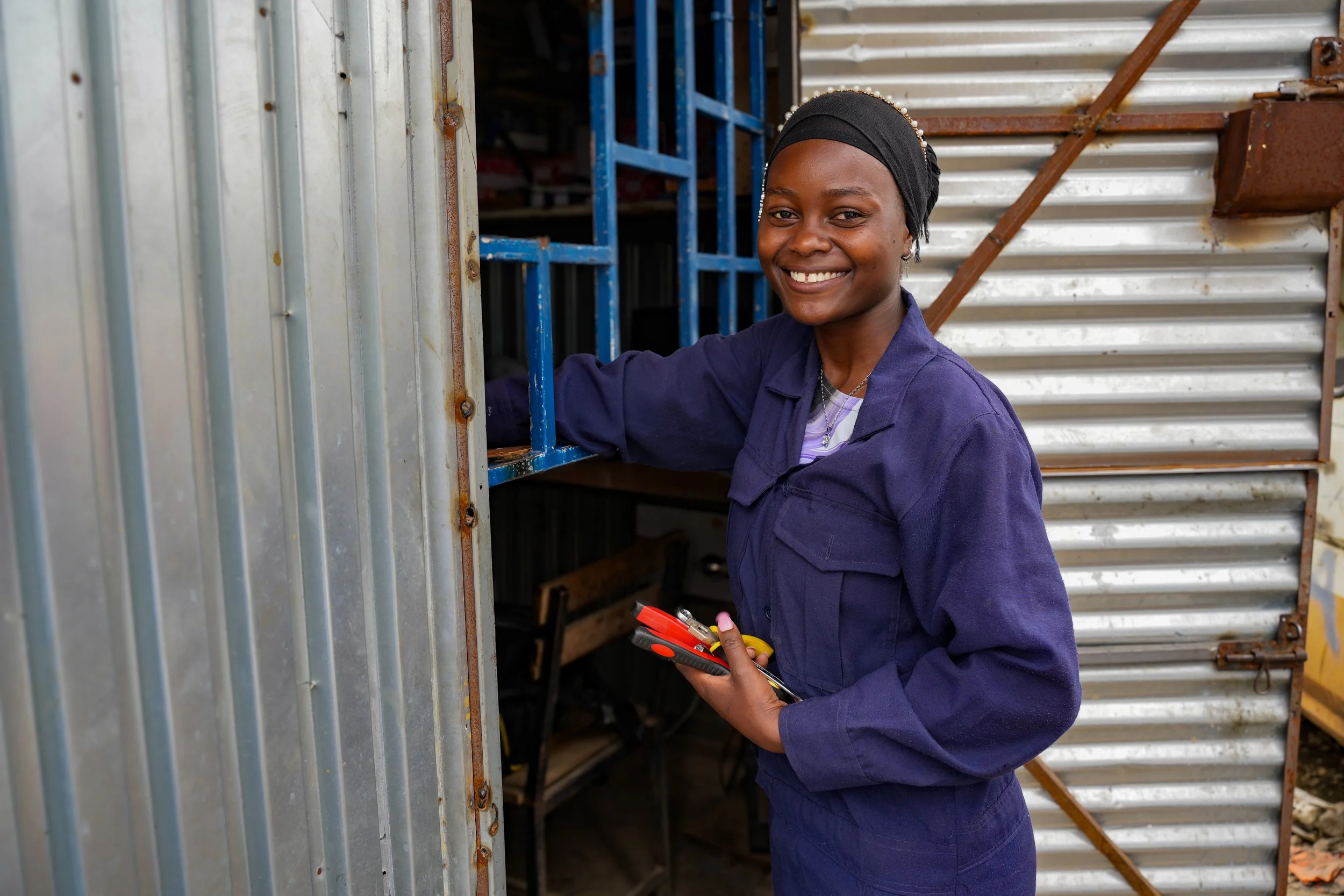
Ugwa, a refugee from the Democratic Republic of the Congo, knows firsthand how easily education can be disrupted, and how transformative the right support can be. After being forced to drop out of school due to financial constraints, she found a new path through RefugePoint’s education support, enrolling in an Auto Wiring Engineering course.
Today, Ugwa is pursuing her studies with renewed focus and hope for the future. With support covering her school needs and ongoing mentorship, she is building skills that she hopes will one day allow her to open her own garage and support her family.
A Pathway to Stability and Opportunity
For refugee families, education is both an immediate need and a long-term investment. Without support, interruptions in schooling can have lasting consequences for children’s development and future opportunities.
By covering key education costs, RefugePoint’s approach helps prevent these disruptions. It also supports a more stable home environment, where families are not forced to choose between education and other basic needs.
This balance is critical. When households are less burdened by school-related expenses, they are better positioned to engage in livelihoods programming, grow their businesses, and move toward self-reliance.
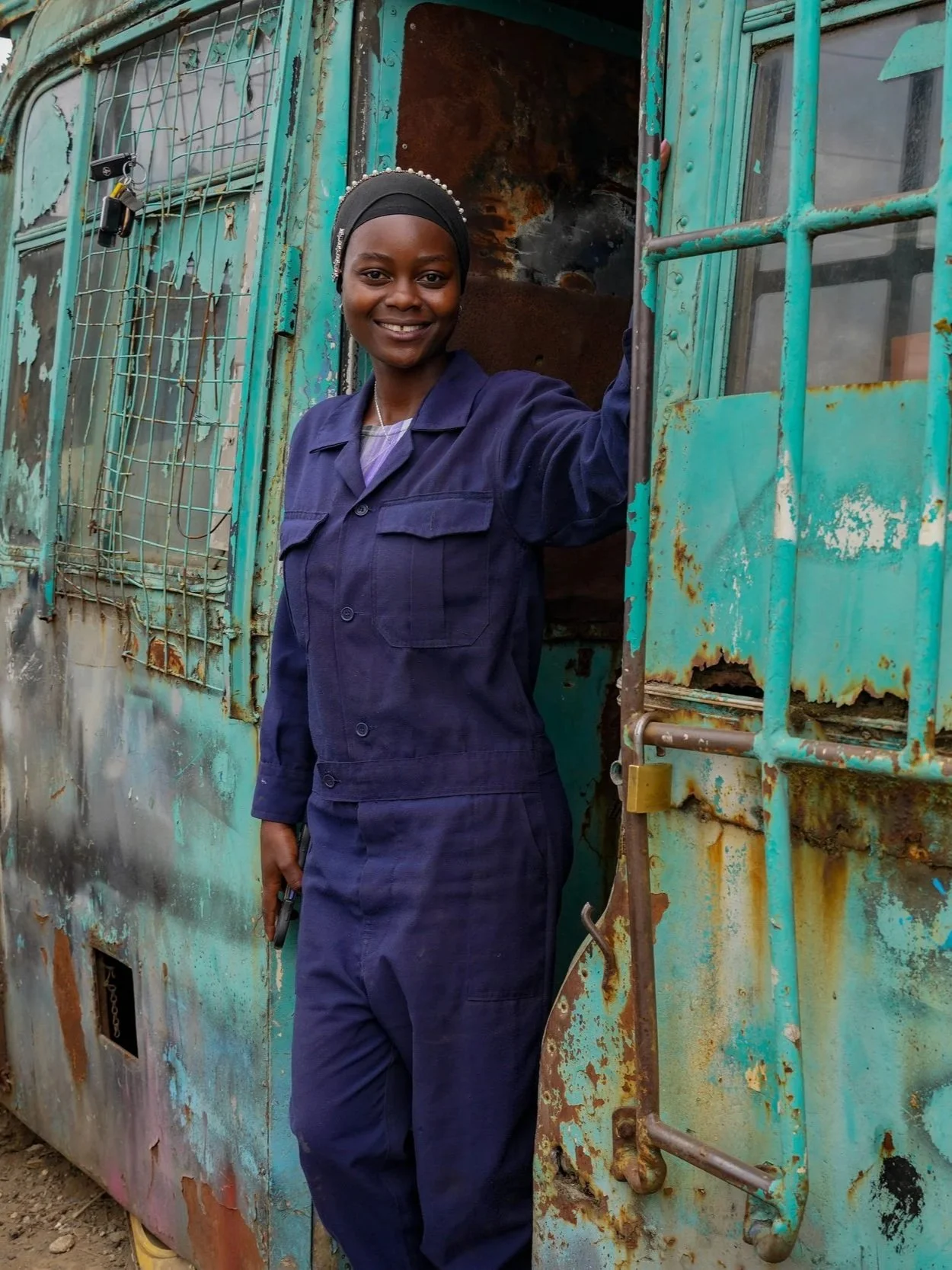
Photo: Diana Karua | Nairobi, Kenya
Looking Ahead
As RefugePoint continues to strengthen its self-reliance programming, education remains a key pillar. The evidence shows that targeted, consistent support can make a meaningful difference, not just for children, but for entire households.
For partners, donors, and practitioners, this highlights an important takeaway:
Investing in education is not only about learning, but also a practical and effective way to stabilize households and support long-term self-reliance.
By keeping children in school today, we are helping families build stronger, more stable futures tomorrow.
This blog post was published as part of the RSRI’s “12 Months, 12 Domains” campaign, a new learning and webinar series that takes a deeper look at the Self-Reliance Index (SRI), one domain at a time. Sign up for the RSRI newsletter to learn more →