Kenya currently hosts around half a million refugees in two of the world’s largest refugee camps in Dadaab and Kakuma. While these camps have held refugees for nearly three decades, they face ongoing threats of closure resulting in an uptick of urban refugees in Nairobi. This article places refugees in the context of urban disposability and hinges this concept on three interrelated aspects: citizenship, housing, and incomebased survival against the backdrop of neoliberalisation in Kenya. Lack of state support and widespread xenophobia on the national scale has led to piecemeal market-based policies of self-reliance such as microfinance and entrepreneurship as institution-led strategies for survival. These solutions forego refugee life in favour of capital accumulation creating unsustainable indebtedness and poverty on the urban scale. I argue that urban refugees are rendered disposable populations and are forced to survive through informal structures within Kenyan neoliberalism. In doing this, refugees are not passively wasted populations, rather, they are brought into the folds of capital accumulation through modes of survival based on self-reliance.
Recent Resources
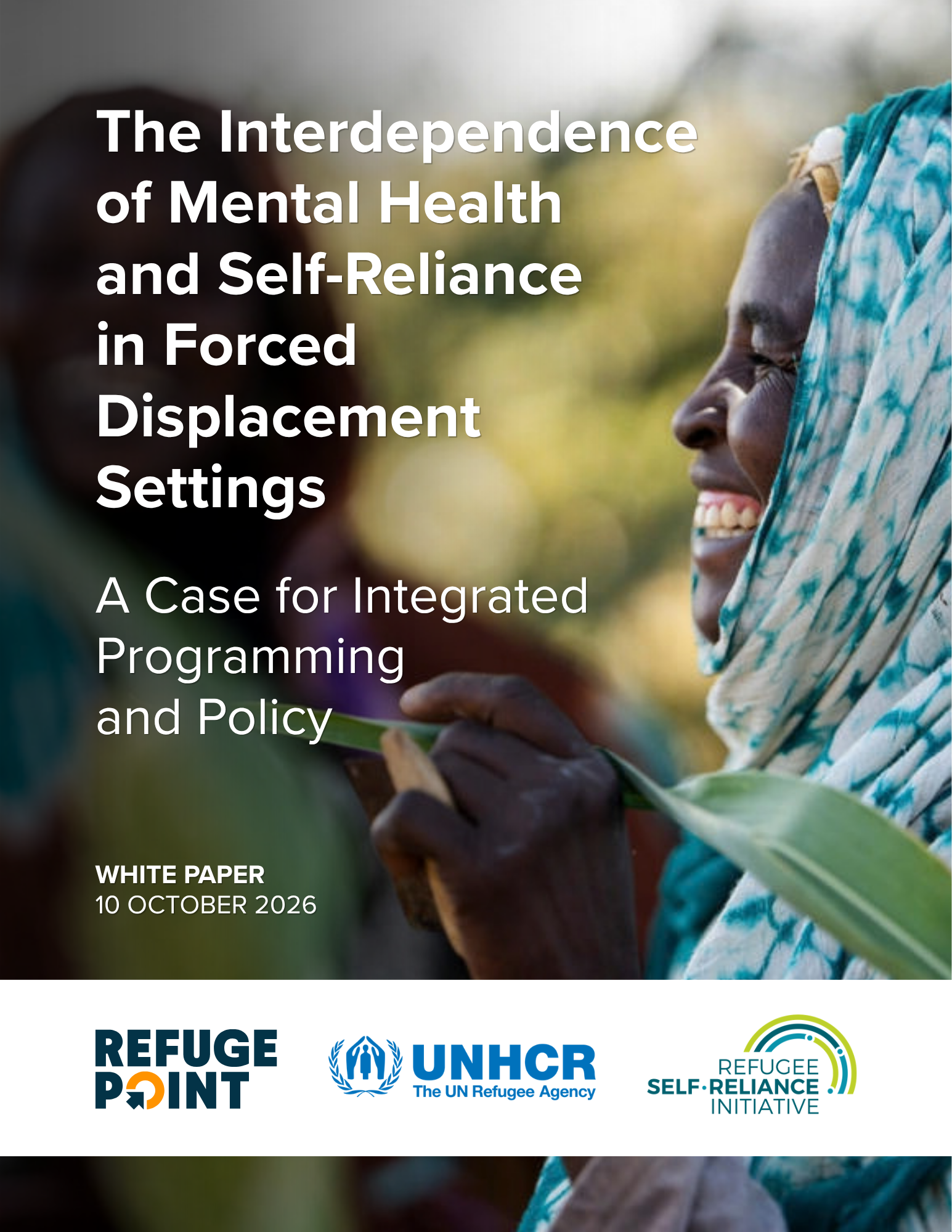
Publication Year: 2026, Organizations: RefugePoint, Organizations: UNHCR, Organizations: Refugee Self-Reliance Initiative, Tags: Mental Health and Pyschosocial Wellbeing, Tags: Holistic Programming, Resource Type: Programmatic, Theme: Social Inclusion, Theme: Programming, RSRI Publications
Publication Year: 2026, Organizations: RefugePoint, Organizations: UNHCR, Organizations: Refugee Self-Reliance Initiative, Tags: Mental Health and Pyschosocial Wellbeing, Tags: Holistic Programming, Resource Type: Programmatic, Theme: Social Inclusion, Theme: Programming, RSRI Publications
Publishing Organizations: RefugePoint, UNHCR, Refugee Self-Reliance Initiative
Authors: Sonasha Braxton, Anna Nicol, and Simar Singh (RefugePoint); Awa Ahmed Haji Omar, Sofia Casas, and Peter Ventevogel (UNHCR); Alli Gillespie and Shelby Quackenbush (RSRI)
Organizations: Refugee Self-Reliance Initiative, Refugee Self-Reliance Initiative, RSRI Publications, Tags: 50 by 35, Publication Year: 2026
Organizations: Refugee Self-Reliance Initiative, Refugee Self-Reliance Initiative, RSRI Publications, Tags: 50 by 35, Publication Year: 2026
Publishing Organizations: Refugee Self-Reliance Initiative
Resource Type: Academic, Organizations: New Political Economy, Country: Kenya, Region: Africa, Theme: Policy, Population: Refugees, Publication Year: 2020
Resource Type: Academic, Organizations: New Political Economy, Country: Kenya, Region: Africa, Theme: Policy, Population: Refugees, Publication Year: 2020
Publishing Organizations: New Political Economy
Authors: Ali Bhagat
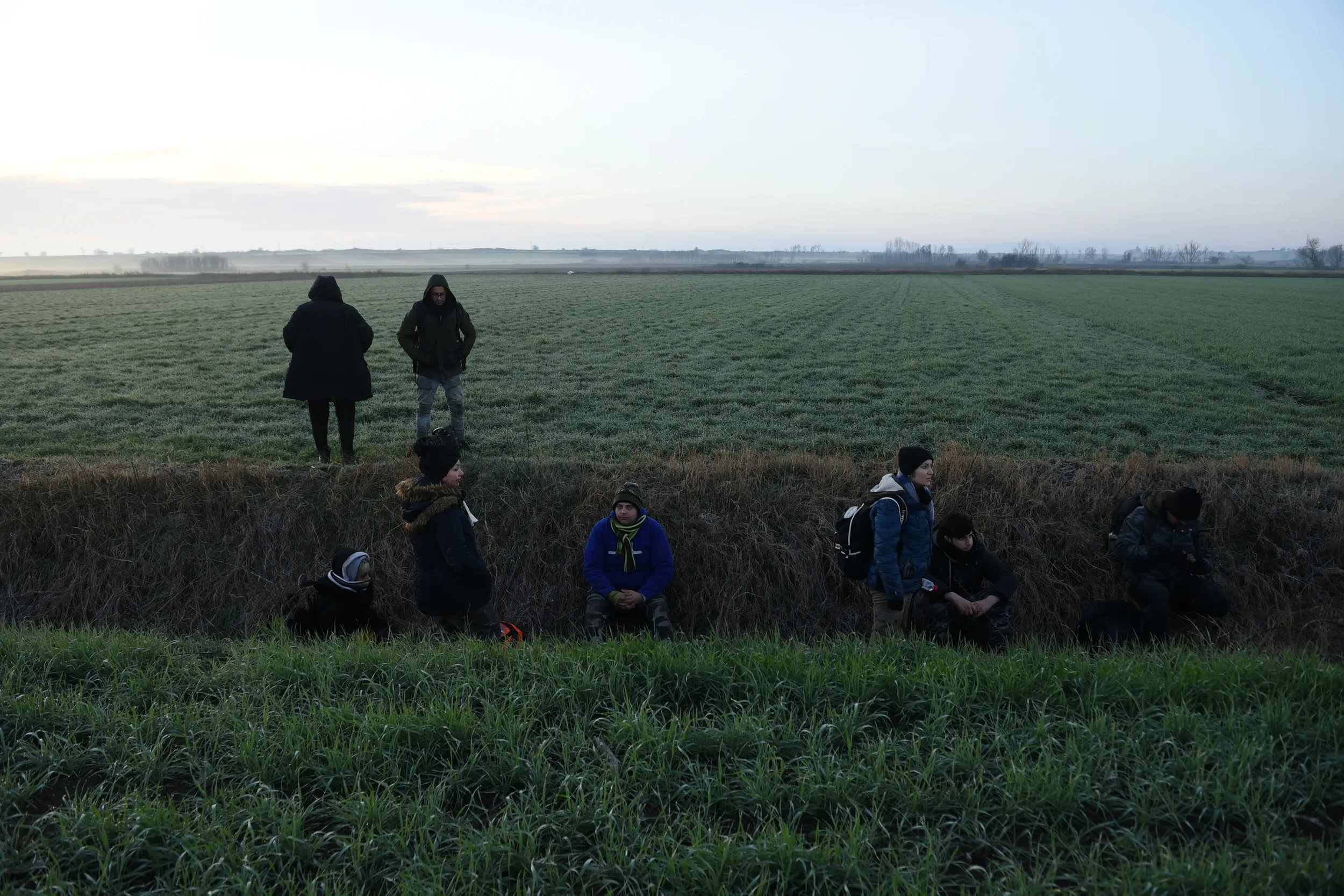
Organizations: International Trade Forum, Organizations: International Trade Centre, Organizations: Brookings Institute, Resource Type: Academic, Country: Turkey, Region: Europe, Theme: Policy, Population: Refugees, Publication Year: 2020, Tags: Economic Inclusion
Organizations: International Trade Forum, Organizations: International Trade Centre, Organizations: Brookings Institute, Resource Type: Academic, Country: Turkey, Region: Europe, Theme: Policy, Population: Refugees, Publication Year: 2020, Tags: Economic Inclusion
Publishing Organizations: International Trade Forum; Brookings Institute
Authors: Kemal Kirişci

Organizations: National Library of Medicine, Organizations: Washington University in St. Louis, Resource Type: Academic, Theme: Measurement, Population: Refugees, Population: IDPs, Publication Year: 2021, Country: Kenya, Country: Mexico
Organizations: National Library of Medicine, Organizations: Washington University in St. Louis, Resource Type: Academic, Theme: Measurement, Population: Refugees, Population: IDPs, Publication Year: 2021, Country: Kenya, Country: Mexico
Publishing Organizations: National Library of Medicine; Brown School, Washington University in St. Louis
Authors: Ilana Seff, Kellie Leeson, Lindsay Stark
Resource Type: Academic, Theme: Measurement, Publication Year: 2022, Population: Refugees, Organizations: RefugePoint, Organizations: Women's Refugee Commission, Organizations: Forced Migration Review
Resource Type: Academic, Theme: Measurement, Publication Year: 2022, Population: Refugees, Organizations: RefugePoint, Organizations: Women's Refugee Commission, Organizations: Forced Migration Review
Publishing Organizations: Forced Migration Review; RefugePoint; Women’s Refugee Commission
Authors: Kellie C Leeson, Amy Slaughter, and Dale Buscher
Organizations: Journal of Immigrant & Refugee Studies, Publication Year: 2025, Resource Type: Academic, Tags: Economic Inclusion, Tags: Capacity Building, Tags: Social Inclusion, Tags: Mental Health & Psychosocial Wellbeing, Theme: Impact, Population: Refugees, Tags: Urban, Region: East Africa
Organizations: Journal of Immigrant & Refugee Studies, Publication Year: 2025, Resource Type: Academic, Tags: Economic Inclusion, Tags: Capacity Building, Tags: Social Inclusion, Tags: Mental Health & Psychosocial Wellbeing, Theme: Impact, Population: Refugees, Tags: Urban, Region: East Africa
Publishing Organizations: Journal of Immigrant & Refugee Studies
Authors: Habiba Ibrahim; Jacinta Mutie; Mohamed Ibrahim; Anna Marie Ronning; Makayla Gille
Organizations: Cambridge University Press, Country: Uganda, Tags: Food Aid, Tags: Disability Inclusion, Theme: Policy, Resource Type: Academic, Population: Refugees, Publication Year: 2022, Organizations: International African Institute
Organizations: Cambridge University Press, Country: Uganda, Tags: Food Aid, Tags: Disability Inclusion, Theme: Policy, Resource Type: Academic, Population: Refugees, Publication Year: 2022, Organizations: International African Institute
Publishing Organizations: Cambridge University Press on behalf of the International African Institute
Authors: Maria-Theres Schuler

Resource Type: Academic, Theme: Policy, Population: Refugees, Publication Year: 2025, Tags: Humanitarian-Development Nexus, Tags: Protection, Tags: Social Inclusion
Resource Type: Academic, Theme: Policy, Population: Refugees, Publication Year: 2025, Tags: Humanitarian-Development Nexus, Tags: Protection, Tags: Social Inclusion
Publishing Organizations: The Journal of Refugee Studies
Authors: Judith Kohlenberger, Charles Martin-Shields, Evan Easton-Calabria
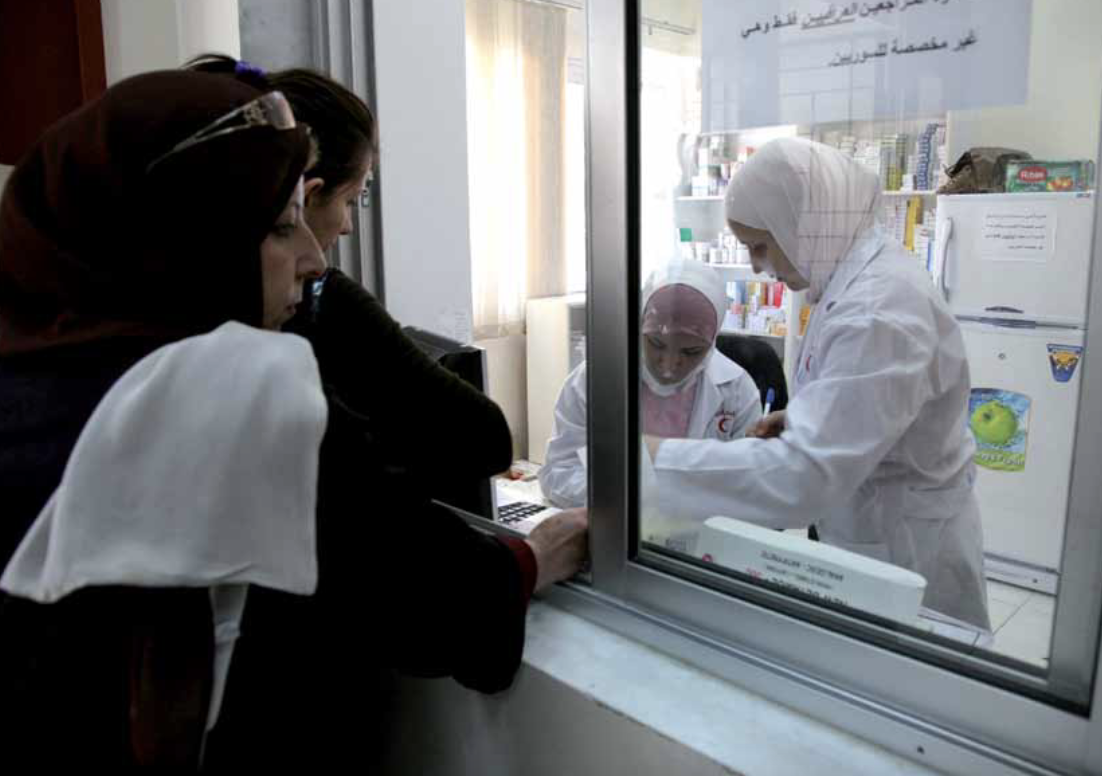
Resource Type: Policy, Resource Type: Programmatic, Theme: Policy, Theme: Programming, Population: Refugees, Publication Year: 2011, Organizations: UNHCR, Tags: Urban, Tags: Health, Tags: Protection, Tags: Humanitarian-Development Nexus
Resource Type: Policy, Resource Type: Programmatic, Theme: Policy, Theme: Programming, Population: Refugees, Publication Year: 2011, Organizations: UNHCR, Tags: Urban, Tags: Health, Tags: Protection, Tags: Humanitarian-Development Nexus
Publishing Organizations: UNHCR
