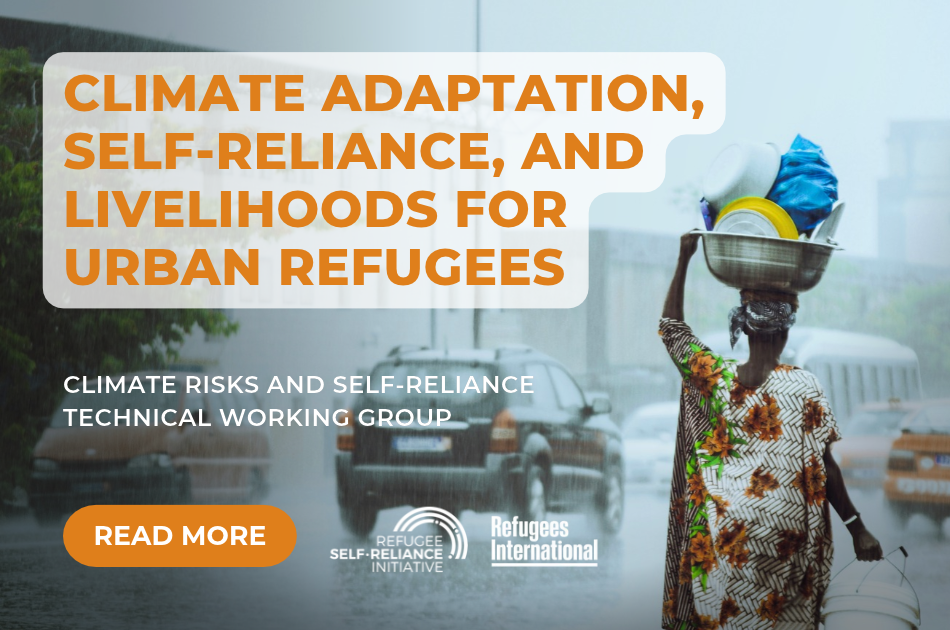
Climate change is creating growing and increasingly complex risks for refugees living in urban areas, yet climate adaptation policies, planning, and programming largely overlook them.
An estimated 80% of the world's refugees and asylum-seekers live in urban or peri-urban areas, where many face heightened exposure to climate-related hazards, including extreme heat, flooding, and unsafe infrastructure. These risks are often compounded by existing barriers related to legal status, inadequate housing, limited access to services, and precarious livelihoods, making it more difficult for urban refugees to protect their wellbeing and sustain their self-reliance.
This brief examines the connections between climate vulnerability, displacement, and self-reliance, highlighting why urban refugees must be recognized and included in climate adaptation efforts. Developed by the Climate Risks and Self-Reliance Technical Working Group (TWG), co-hosted by the RSRI and Refugees International, this brief offers practical recommendations for humanitarian and development practitioners, policymakers, and donors. These include strengthening refugee inclusion in urban and national adaptation plans, investing in community- and refugee-led adaptation efforts, extending accessible early warning systems and anticipatory action, and providing predictable, multi-year adaptation funding.
The brief also emphasizes the importance of people-centered, trauma-informed approaches that uphold refugees' dignity, psychosocial wellbeing, and agency. Ultimately, it calls for more inclusive urban climate adaptation that recognizes refugees as city residents with a right to safety and protection, while supporting the resilience of their communities, the sustainability of their livelihoods, and their pathways to self-reliance.
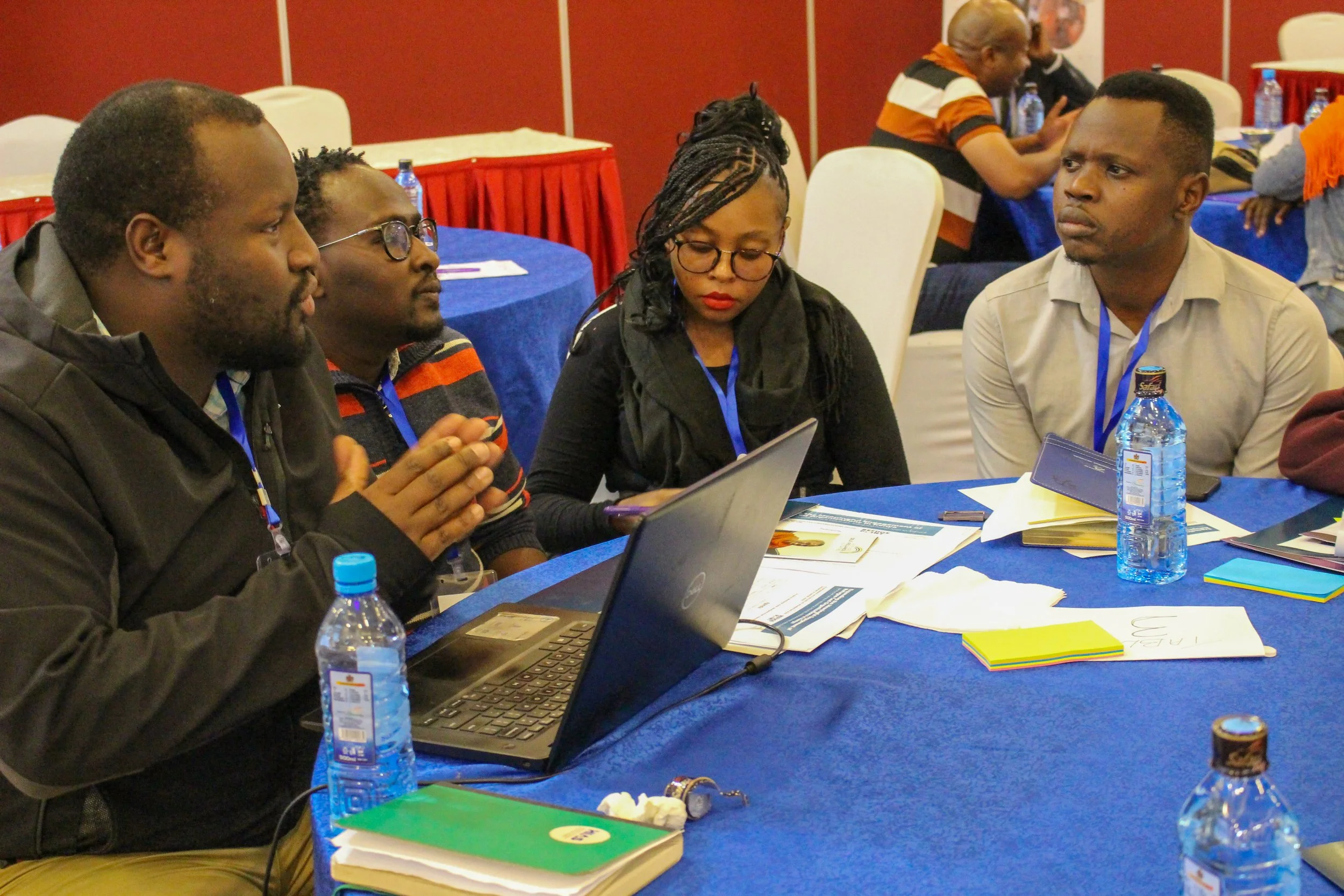
The Climate Risks and Self-Reliance Technical Working Group (TWG) brings together diverse stakeholders to identify evidence, share good practices, address knowledge gaps, and co-create policy and practical resources at the intersection of climate impacts and refugee self-reliance.