
Our Stories, Our Evidence, Our Solutions: Refugee-Led Research in Advancing Health and Inclusion


By Chocho Fashingabo
Executive Director | Youth Voices Community (YVC)
By George Dralagar
Director of Programs | Youth Voices Community (YVC)
When we at Youth Voices Community (YVC) set out in 2024 to execute our research project, Strength in Diversity: Building Independence for Refugees with Disabilities, we weren't just collecting data. We were documenting the lived realities of our neighbors, friends, and family members as they navigated the crowded streets of Nairobi, Kenya. Funded by the Refugee Self-Reliance Initiative’s 2024 RLO-Led Insights Fund, our mixed-methods study integrated surveys, focus groups, and even a short documentary film to lay bare a profound truth: health status and disability are not secondary hurdles; they are the foundational pillars determining whether an urban refugee can ever achieve self-reliance.
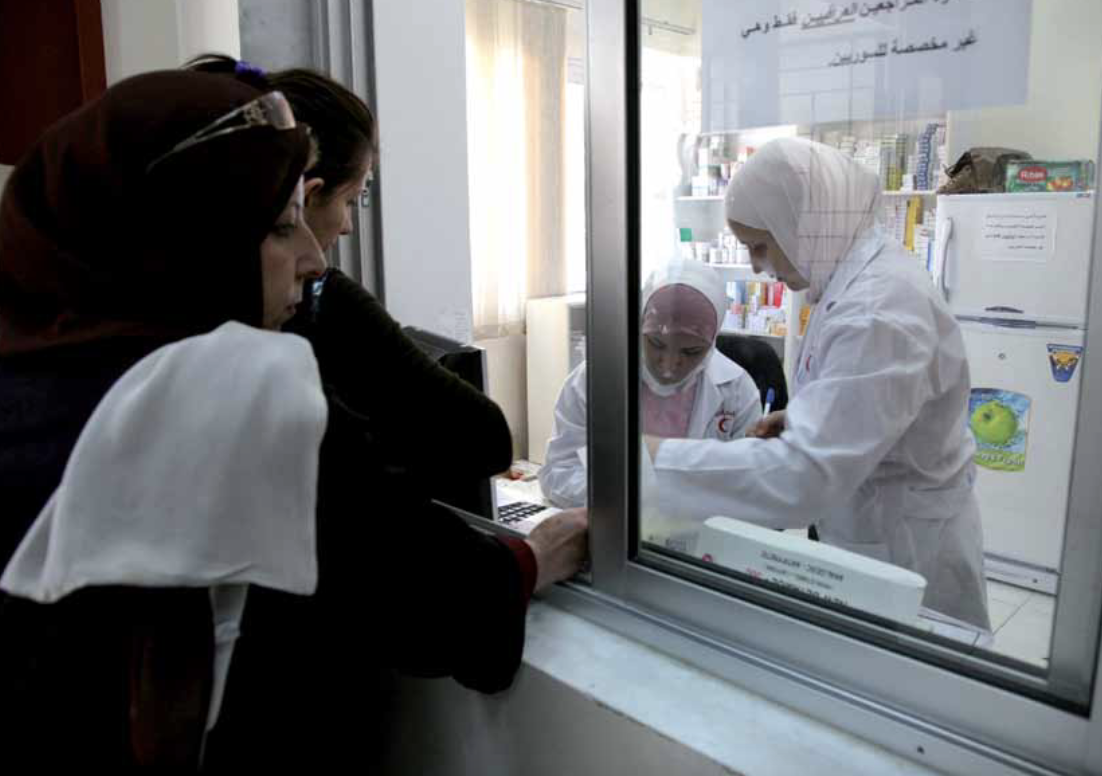
Our research revealed a vicious, cyclical trap. For a refugee with a disability in Nairobi, poor health or the lack of an assistive device doesn't just mean physical discomfort; it means a direct shutdown of economic opportunity. Without rehabilitation services, specialized healthcare, or mental health support, pursuing education, starting a small business, or finding formal employment becomes virtually impossible. In turn, the resulting lack of income completely cuts off access to the very medical services or assistive devices needed to break the cycle.
True self-reliance is inherently holistic. It cannot exist when a person is forced to choose between managing a chronic health condition and putting food on the table.
Since we wrapped up our study, the operational landscape in Kenya has shifted dramatically under our feet. On March 28, 2025, the government enacted the Shirika Plan, marking a monumental policy transition away from camp-based humanitarian assistance toward a government-led, development-oriented model of inclusion.
In theory, this framework offers immense promise, pledging to integrate urban refugees into national budgeting, local public service systems, and the Social Health Authority (SHA) medical insurance scheme. However, the reality on the ground in 2026 presents a sharp paradox. While policy conversations at the national level talk of integration, global humanitarian funding cuts have squeezed grassroots resources to a breaking point. For refugees with disabilities, the gaps between policy ideals and daily survival are widening. Public infrastructure in Nairobi remains largely inaccessible, and the complex bureaucracy required to obtain the government-issued Refugee Identity Cards, the absolute gatekeeper to opening a bank account, securing a mobile money line, or accessing formal work, leaves the most vulnerable entirely behind.
Members of the Youth Voices Community (YVC) team at their office in Nairobi, Kenya.
Faced with these compounding pressures, YVC's advocacy has aggressively evolved. We realized that generating data wasn't enough; we needed to build institutional community power. Taking the core insight from our 2024 project, that people with disabilities are the ultimate experts on their own lives, we have actively supported the establishment and registration of a dedicated, refugee-led organization (RLO) for persons with disabilities in Nairobi.
We have spent months helping this community develop internal leadership structures, navigate legal paperwork, and advance their registration process. Even as they await their final structural recognition from Kenya’s Department of Refugee Services (DRS), these advocates are already organizing at the local level, attending sub-county budget consultations, engaging local chiefs, and directly demanding that their rights be protected under Kenya’s 2021 Refugee Act. True inclusion isn't about inviting vulnerable people to sit quietly at a table built by outsiders; it is about supporting them as they build their own platforms.
At this critical juncture in 2026, investing in RLOs and community-driven research is an absolute necessity. Traditional, top-down humanitarian interventions are failing to keep pace with localized realities. Because RLOs are embedded directly within the communities we serve, our research generates highly credible, nuanced evidence that outside organizations routinely miss.
When international donors fund refugee-led research, they aren't just buying data; they are fostering deep community ownership and cultivating sustainable, generational leadership. For urban refugees navigating disability and health barriers in Nairobi, self-reliance cannot be handed down as a charity package. It must be built from the ground up through targeted policies, accessible healthcare, and real financial backing. Supporting our research and our institutions is the only definitive way to ensure that every displaced person can live with dignity, contribute to their host society, and achieve lasting self-reliance.
This blog post was published as part of the RSRI’s “12 Months, 12 Domains” campaign, a new learning and webinar series that takes a deeper look at the Self-Reliance Index (SRI), one domain at a time. Sign up for the RSRI newsletter to learn more →