The RLO-Led Insights Fund supports research designed and led by refugee- and migrant-led organizations, recognizing refugees not just as research participants but as experts, knowledge producers, and agents of change.
Building on the momentum of the Refugee-Led Organization (RLO) Learning Exchange held in Bogotá in October 2025, this blog series features insights from the four recipients of the 2026 RLO-Led Insights Fund, whose self-reliance learning projects explored how mutual aid, community participation, social networks, refugee leadership, and municipal-level governance can strengthen self-reliance and improve outcomes for displaced communities in Colombia.
“…many times, we have to choose between eating and taking care of our health. Survival ends up taking the place of our rights...”
A reality beyond migration
Research led by the Association of Venezuelans in Nariño (ASOVENAR) and the Independent Women Leaders Collective (LINDES) revealed how documentation barriers affect access to rights, social integration, and the life plans of migrant and refugee women in Nariño, Colombia.
Migrating involves much more than crossing a border. For many migrant and refugee women in Pasto (Nariño), it means rebuilding their lives while facing administrative, economic, and social barriers that limit access to opportunities, constrain their autonomy, and profoundly reshape their life plans. Behind every pending procedure, every document that fails to arrive, and every requirement that is impossible to meet are stories of effort, adaptation, and resilience that rarely come to light.
Research led by migrant women’s organizations
Between January and April 2026, the Independent Women Leaders Collective (LINDES), in partnership with the Association of Venezuelans in Nariño (ASOVENAR), conducted the study, “Documentation Barriers and Self-Reliance: A Study on the Resilience and Rights of Migrant and/or Refugee Women,” with support from the Refugee Self-Reliance Initiative (RSRI)’s 2026 RLO-Led Insights Fund.
The study combined surveys, interviews, and focus group discussions with migrant and refugee women living in Pasto, Colombia. This approach provided insight into the challenges these women face in accessing documentation and how these barriers affect their access to healthcare, education, employment, social protection, and integration opportunities. The research aimed to listen directly to these women's experiences and turn their stories into evidence to strengthen public policy, humanitarian action, and advocacy efforts led by refugee- and migrant-led organizations.
Documentation as a gateway—or a barrier—to opportunity
One of the study’s key findings was that documentation is far more than an administrative requirement. In practice, it can serve as a gateway to exercising other rights—or as a barrier that prevents access to them. Participants described how delays in migration procedures, difficulties obtaining the Temporary Protection Permit (PPT), and barriers associated with other administrative processes ultimately affect multiple aspects of everyday life. In many cases, access to formal employment, enrollment in the healthcare system, continued education, or participation in institutional programs depends on having the required documentation. When these processes are delayed or difficult to navigate, the impact goes beyond restricting a single right: it creates a chain of exclusion that undermines economic stability, autonomy, and opportunities for integration.
Precarious employment and inequality
The research also found that many migrant women arrive in Colombia with technical, vocational, or university-level qualifications, as well as significant work experience. However, difficulties in obtaining recognition of their qualifications, validating their studies, or providing proof of their professional experience often force them to leave their previous occupations behind.
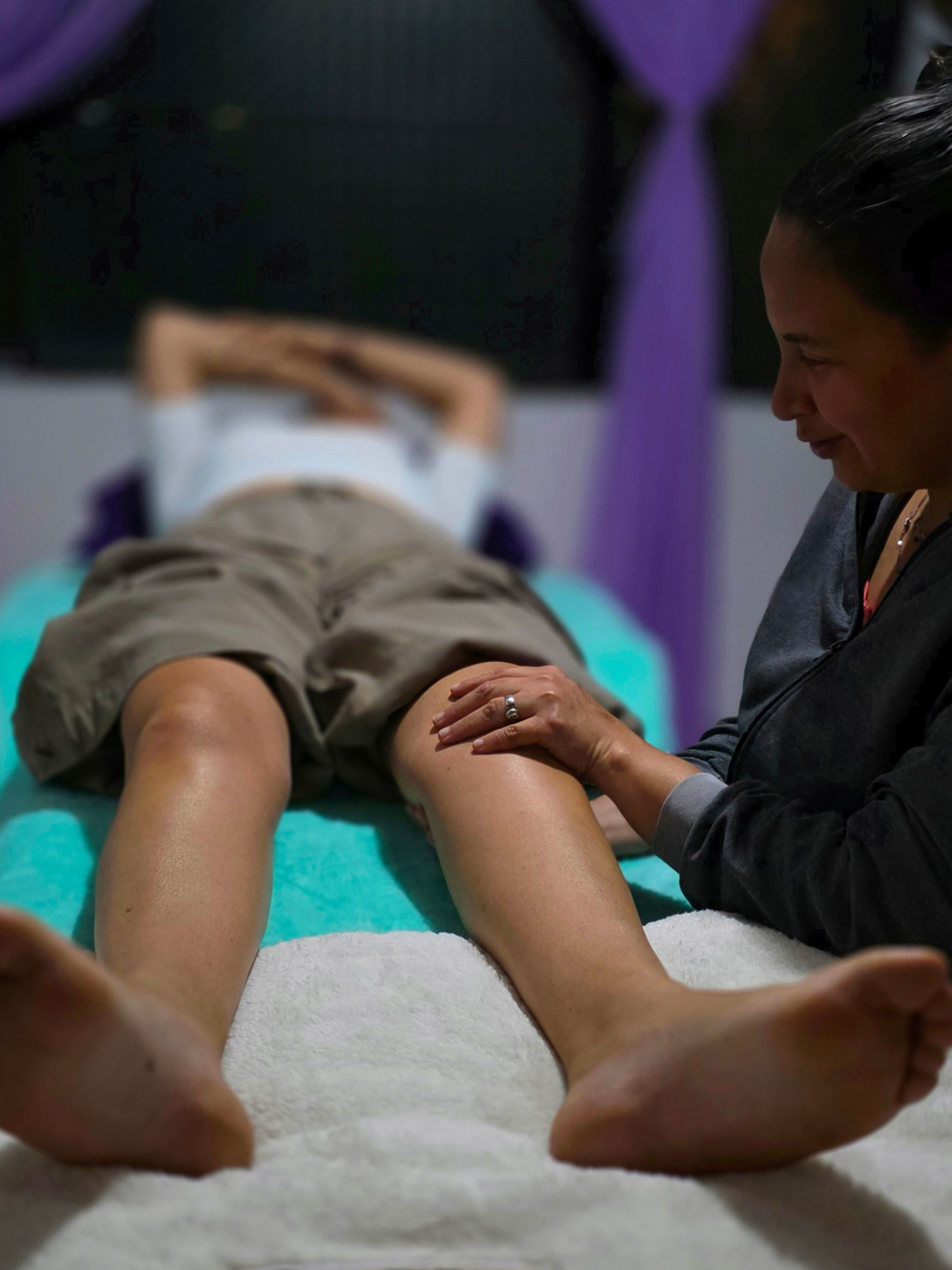
As a result, many end up in low-paying, informal jobs or turn to small-scale, subsistence businesses. While these ventures demonstrate resilience, they often stem from a lack of alternatives in the formal labor market rather than a genuine choice to become entrepreneurs. These challenges are compounded by discrimination, xenophobia, and stigmatization, which continue to restrict employment opportunities and deepen the inequalities faced by migrant women.
Care responsibilities also shape self-reliance
Another important lesson was recognizing the role that caregiving responsibilities play in the integration process. Many women are mothers, primary caregivers, or responsible for supporting their households. A lack of support networks, the difficulty of balancing work schedules with childcare, and the need to prioritize day-to-day survival reduce their ability to access formal employment, training opportunities, or spaces for participation. This shows that self-reliance depends not only on individual effort, but also on the social and institutional conditions that enable—or constrain—the effective exercise of rights.
Emotional impacts and resilience
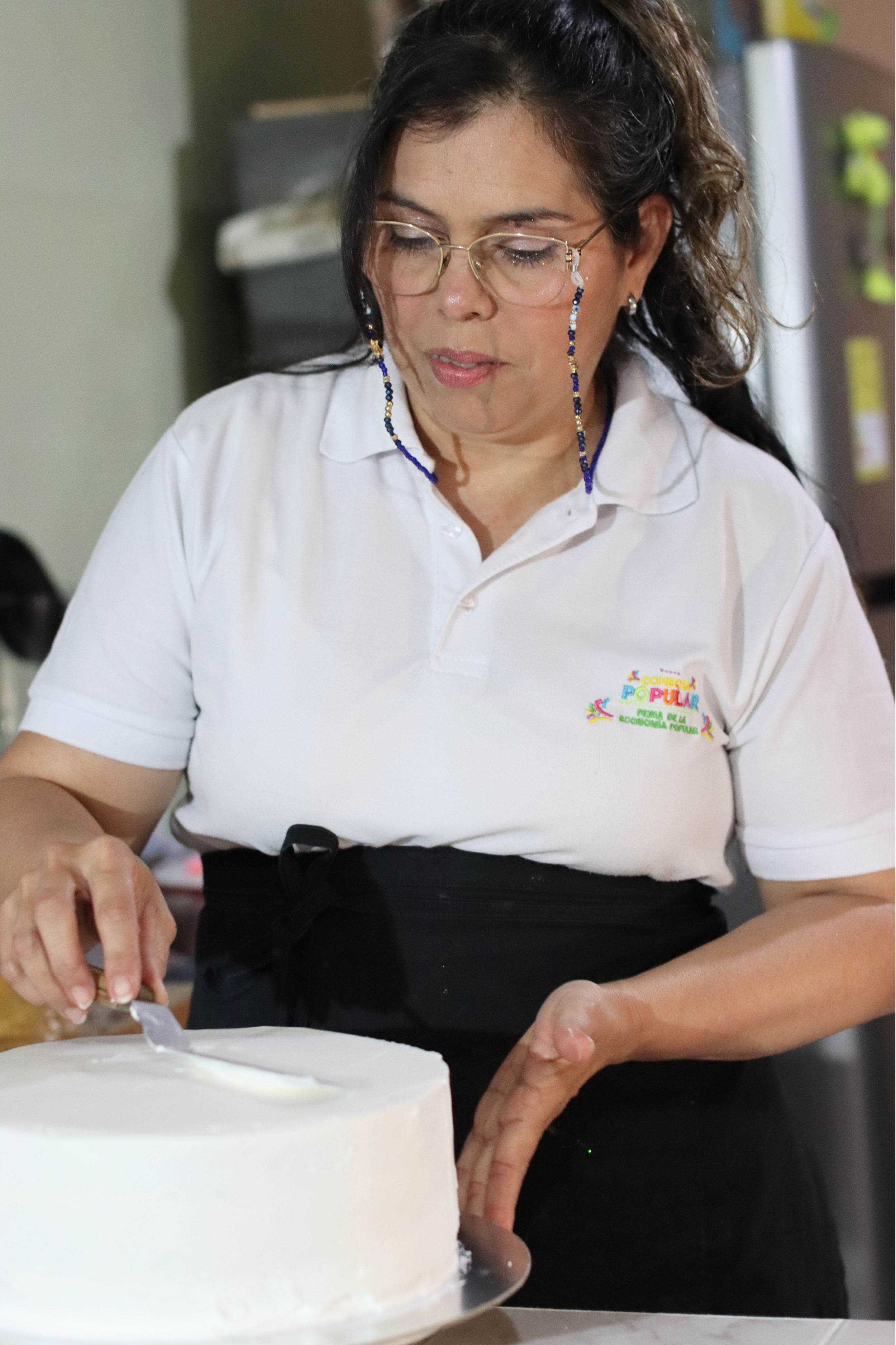
Participants shared how migration took an emotional toll on them. They experienced uncertainty, exhaustion, feelings of loss, constant worry, and the challenge of rebuilding their lives far from their place of origin. Yet, alongside these difficulties, many examples of resilience emerged. Women described strategies for generating income, strengthening community networks, supporting one another, and creating spaces of solidarity. These strategies have helped them navigate everyday barriers with creativity, leadership, and hope. These experiences demonstrate that although the barriers are significant, migrant women's capacities and contributions are vital assets to their communities and the places they now call home.
The strength of collaborative research
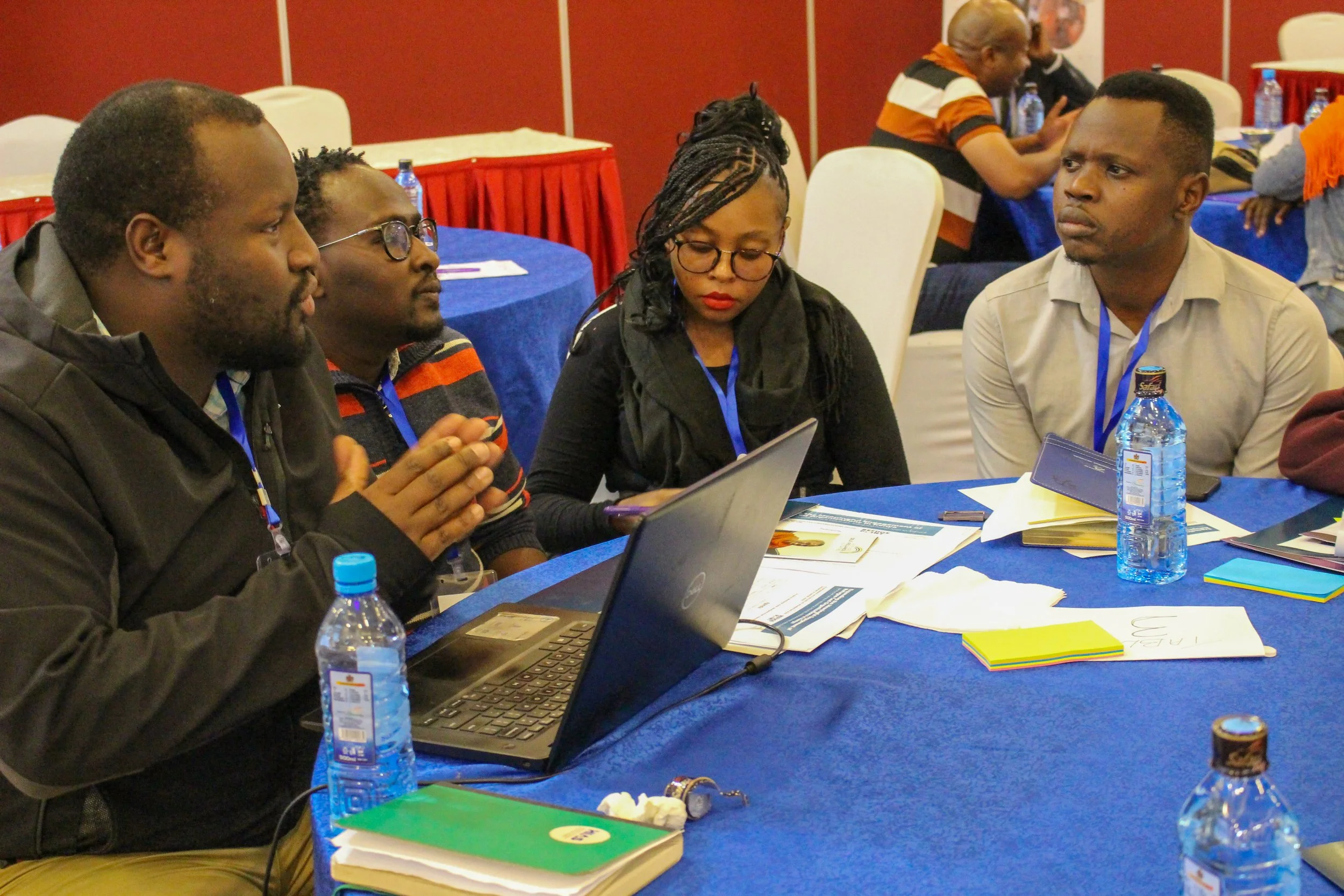
Beyond the findings on the barriers faced by migrant and refugee women, the project yielded a valuable organizational lesson: the partnership between ASOVENAR and LINDES strengthened the reach and quality of the research process. Collaborating with another migrant-led organization allowed ASOVENAR to combine its expertise, methodologies, and community networks. This created a more trusting environment for women to participate and enriched the analysis with complementary perspectives. This partnership broadened the study’s reach, strengthened data collection, and developed more robust recommendations for advocacy.
The study also confirmed that community-based organizations not only use resources better when they work together, but also strengthen their ability to produce rigorous evidence, engage institutional stakeholders, and bring migrant voices into decision-making spaces. Beyond the study's findings, the experience reaffirmed the value of partnerships among women-led organizations of refugees and migrants as a strategy to strengthen local capacities, generate knowledge grounded in local realities, and advance community-developed solutions.
Lessons for advocacy
For ASOVENAR and LINDES, this experience reaffirmed that knowledge produced by refugee- and migrant-led organizations is essential for understanding the barriers faced by migrant and refugee women, as well as for strengthening advocacy efforts to ensure the effective exercise of their rights. Hearing directly from these women made it clear that legal, administrative, and social barriers do not operate in isolation, but rather form a system of exclusion that limits opportunities for self-reliance and integration.
The findings underscore the need to strengthen institutional pathways for accessing rights, improve regularization and credential recognition processes, promote decent employment opportunities, incorporate a gender- and care-sensitive approach into public policy, combat xenophobia, and ensure institutional responses that recognize the diverse experiences of migrant and refugee women.
The research provides a valuable tool for advancing evidence-based advocacy and contributing to more inclusive societies, where integration depends not only on migrants’ ability to adapt, but also on the commitment of institutions and society as a whole to ensure the effective exercise of their rights.