SELF-RELIANCE WOVEN TOGETHER THROUGH COMMUNITY
2026 RLO-Led Insights Fund | CORPVOLVEN
The RLO-Led Insights Fund supports research designed and led by refugee- and migrant-led organizations, recognizing refugees not just as research participants but as experts, knowledge producers, and agents of change.
Building on the momentum of the Refugee-Led Organization (RLO) Learning Exchange held in Bogotá in October 2025, this blog series features insights from the four recipients of the 2026 RLO-Led Insights Fund, whose self-reliance learning projects explored how mutual aid, community participation, social networks, refugee leadership, and municipal-level governance can strengthen self-reliance and improve outcomes for displaced communities in Colombia.
When refugee women arrive in a new country, they face the daunting task of rebuilding their lives. Finding opportunities, earning an income, and supporting their families are essential—but that journey often begins amid uncertainty, isolation, and limited access to reliable information or support networks.
At CORPVOLVEN, we wanted to understand what changes when women no longer have to navigate that journey alone. What happens when they become part of a community where they can access trustworthy information, find encouragement, and regain the confidence to make informed decisions about their future?
These questions inspired our study, Building Pathways to Self-Reliance for Refugee Women, conducted in Medellín and Bello, Colombia, with support from the Refugee Self-Reliance Initiative (RSRI)’s 2026 RLO-Led Insights Fund.
Building Pathways to Self-Reliance for Refugee Women
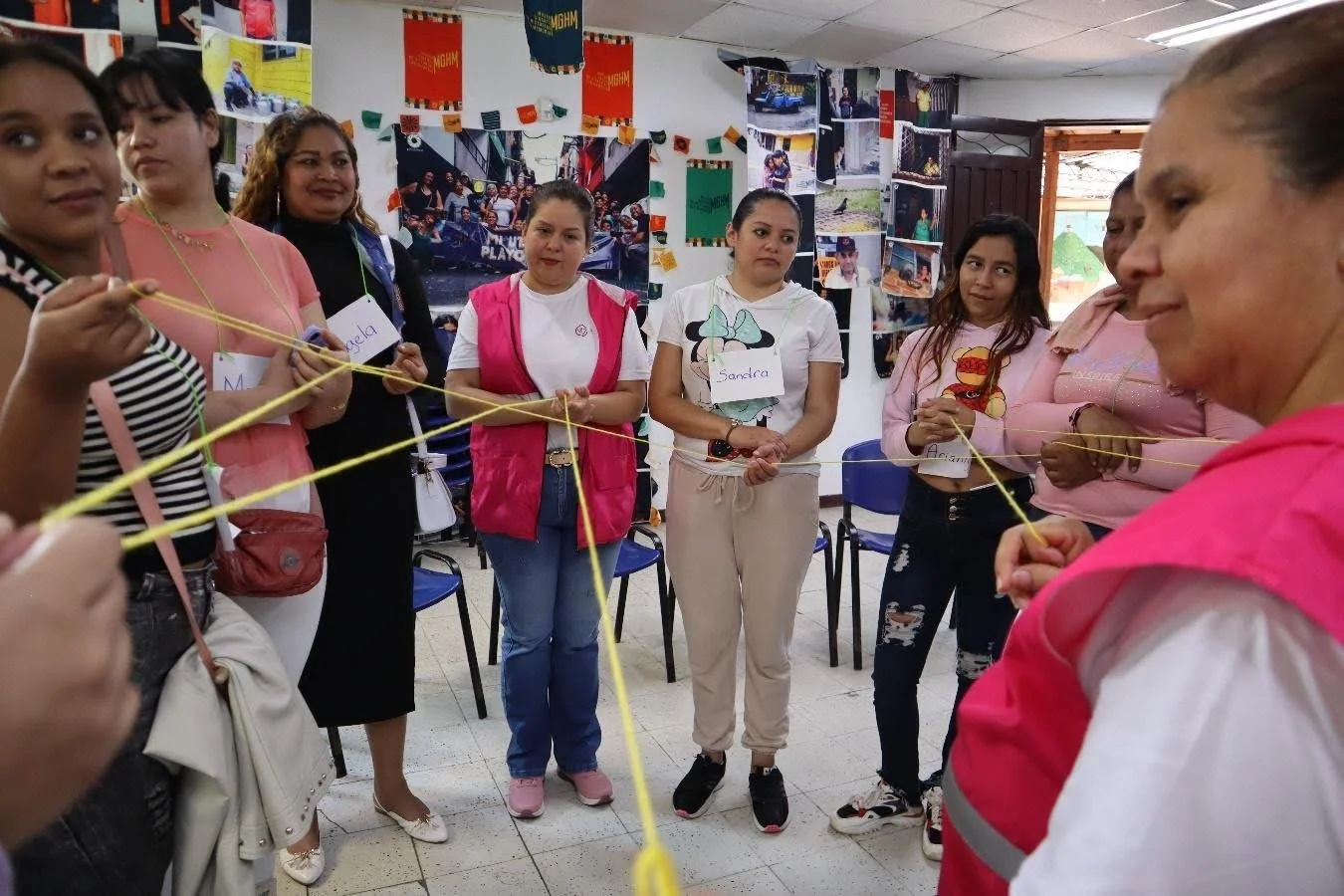
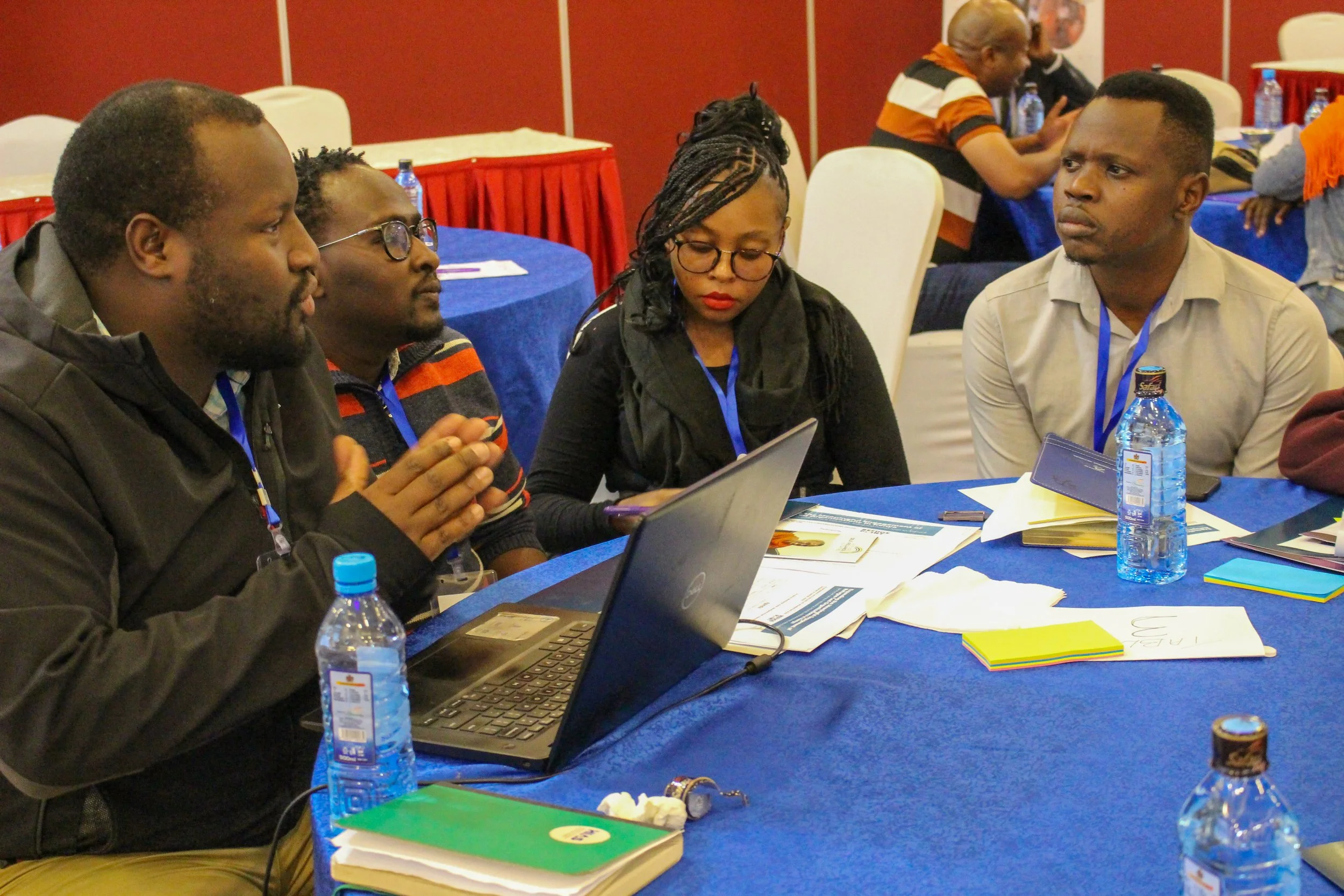
To conduct the study, we compared the self-reliance levels of 60 Venezuelan refugee and migrant women: 30 participants in CORPVOLVEN's Mutual Support Groups (GAM) and 30 women who were not participating in organized community spaces. One of the study's most compelling findings was the transformative role these groups play in helping women build support networks, access reliable information, and develop the confidence and practical skills needed to navigate integration challenges. Nearly all participants (97%) said they had someone they could turn to for guidance or trustworthy information, compared with just 40% of women who were not involved in community groups.
The numbers become even more meaningful when viewed alongside the women's own experiences. One participant recalled arriving at the group feeling “heartbroken and deeply discouraged,” only to find a community that welcomed her with open arms, listened without judgment, and offered the encouragement she needed to move forward. Another simply reflected, “I have so much more support now, and my self-esteem has grown tremendously.”
Access to information, emotional well-being, and personal agency
The study also revealed important differences in access to information, emotional well-being, and personal agency. While several women who were not involved in organized community spaces said they were unaware of their rights or had no one to turn to when facing difficulties, participants in the Mutual Support Groups (GAM) described these spaces as places where they could access reliable information, feel supported, and find guidance. The findings suggest that self-reliance is about much more than earning an income—it also means having the knowledge, confidence, and resources to make informed decisions, solve problems, and navigate the everyday challenges of integration.
Women creating a network of support
Another important finding was that women move from being recipients of support to becoming a source of support for others. Among participants in the Mutual Support Groups (GAM), 93% said they provide guidance to other people, compared with 37% of women who do not participate in these spaces. In addition, 93% reported having no physical or emotional conditions that limited their ability to earn an income, compared with 53% of the comparison group.
One participant shared that whenever she meets a newly arrived woman, she offers her information and invites her to join these groups. What begins as a search for support ultimately grows into a network that expands access to information, builds confidence, and creates new opportunities.
The role of RLOs
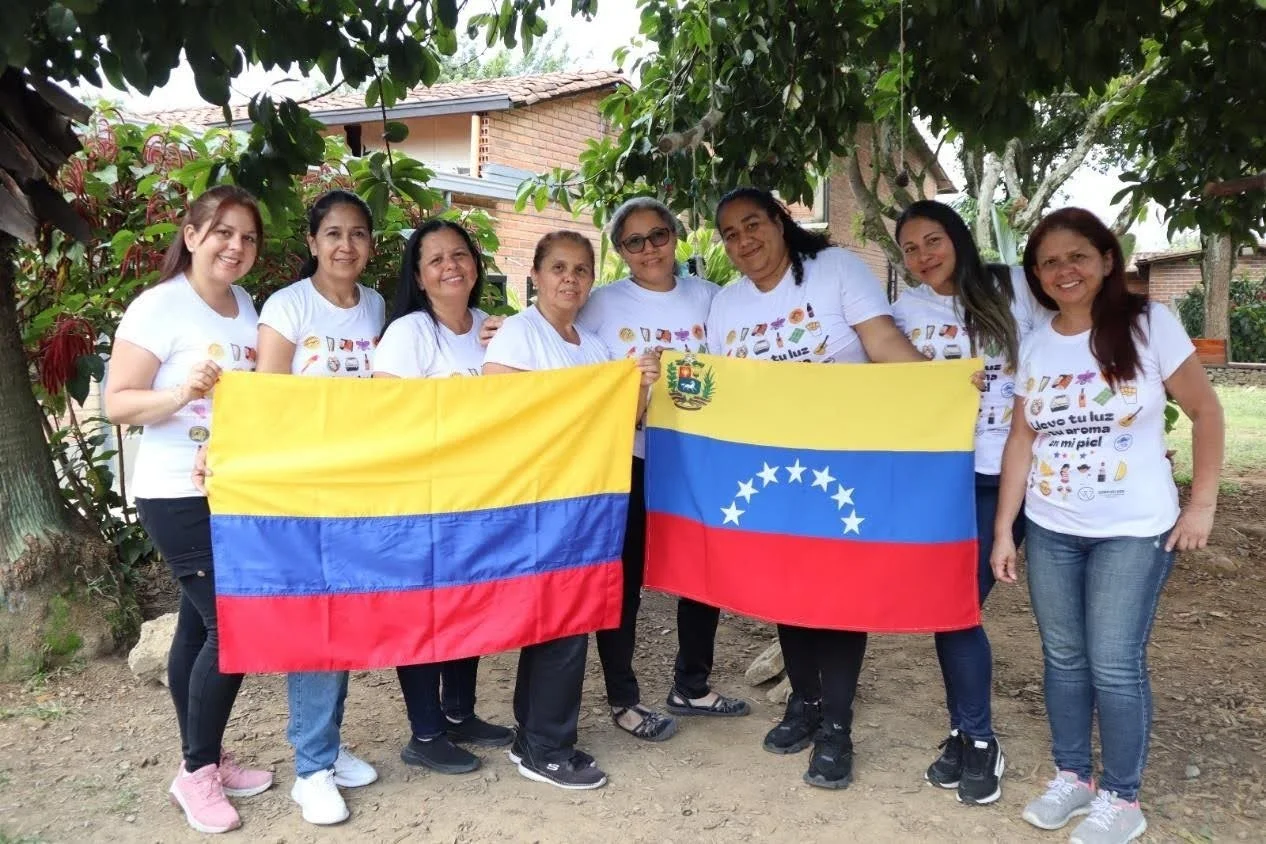
This research also reaffirmed the vital role that refugee-led organizations play in generating knowledge grounded in their own experiences and communities. As an organization led by refugee and migrant women, CORPVOLVEN was able to engage with participants through trust, active listening, and shared experiences. The findings show that self-reliance is also built through community: when women have access to reliable information, supportive networks, and safe spaces to participate, they strengthen their ability to make informed decisions, overcome challenges, and support others. What begins as a place to connect can grow into a network that expands opportunities, strengthens confidence, and helps more women advance on their journey toward integration and self-reliance.