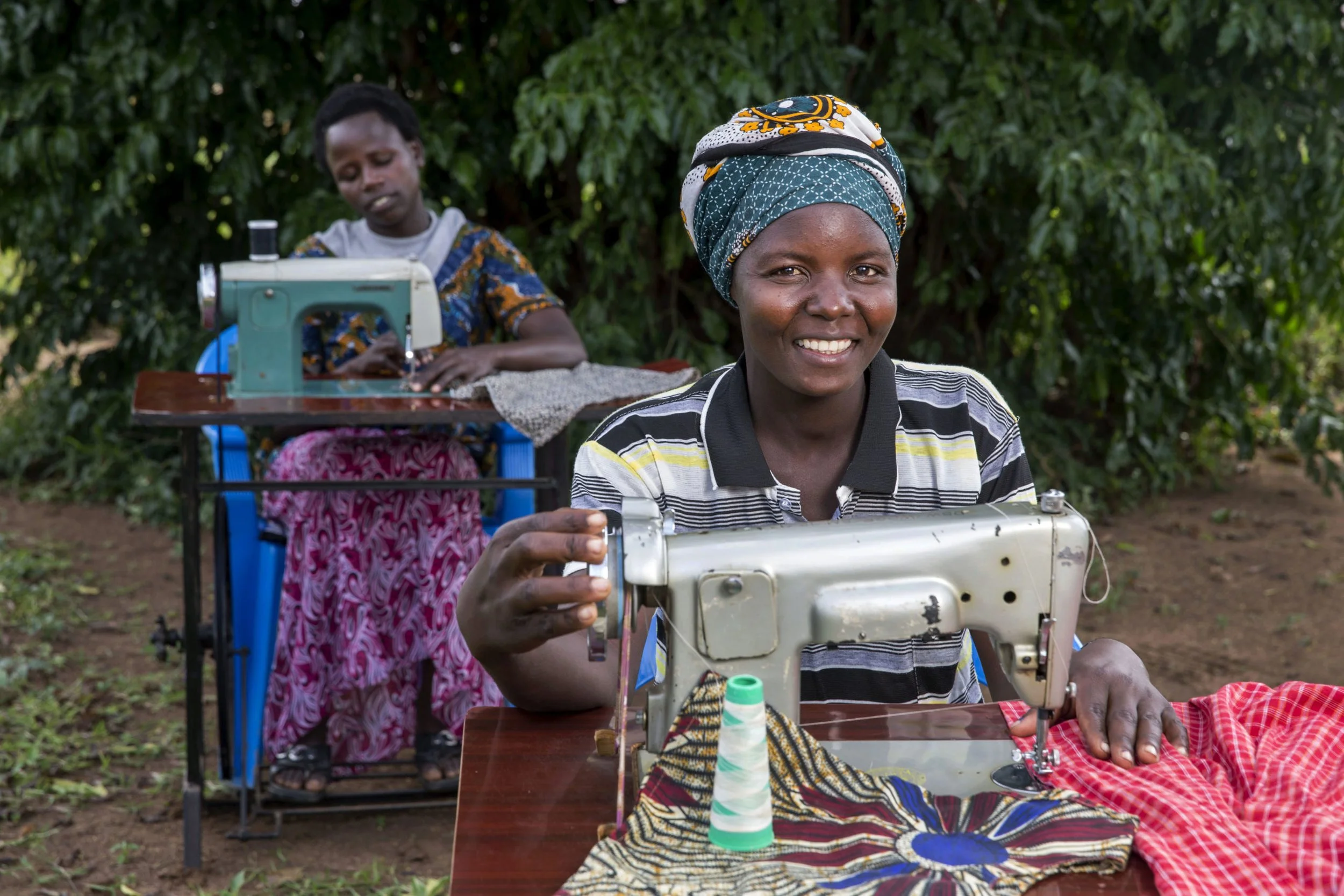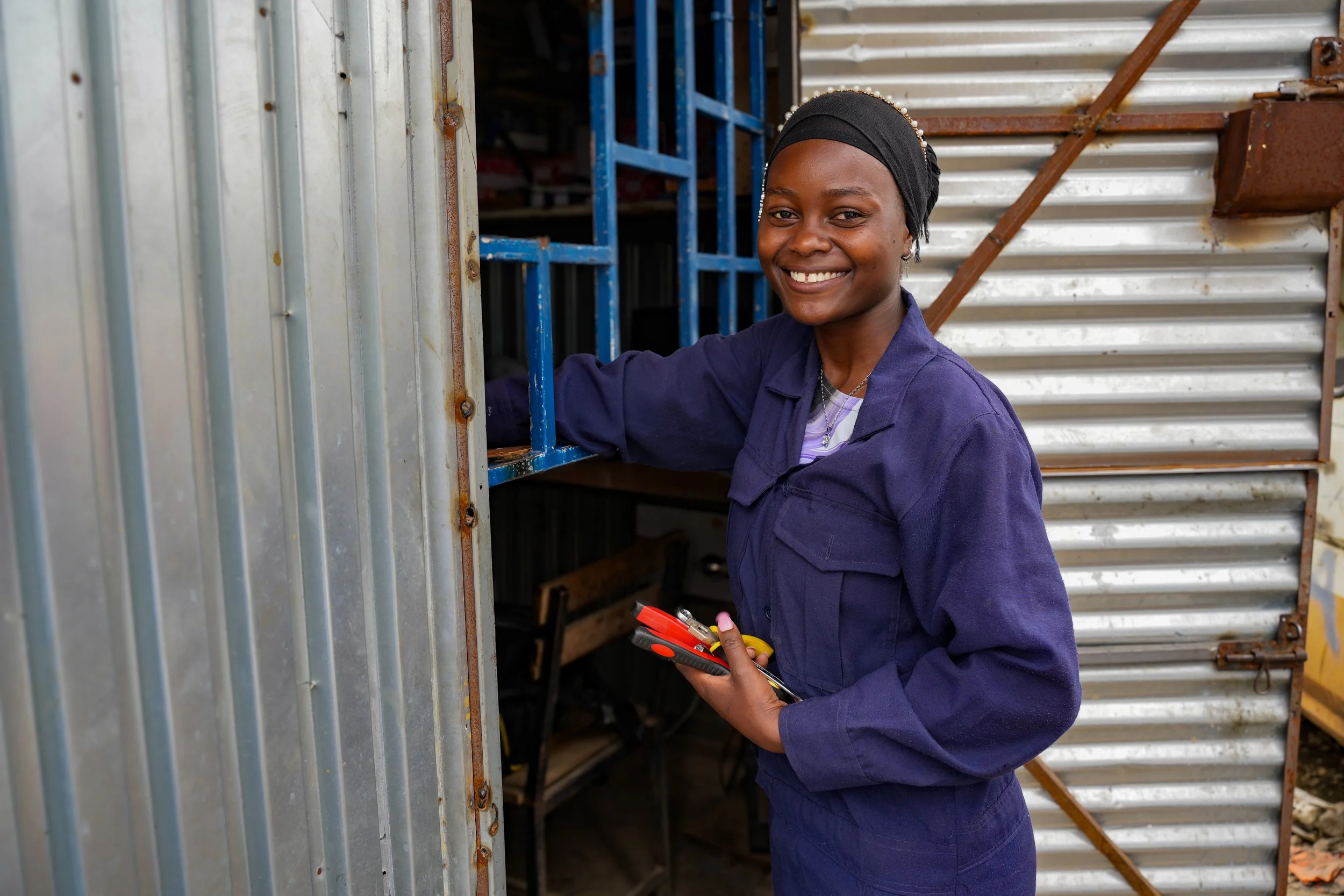
While cash alone cannot provide the holistic support refugees need, it can give people greater choice and agency while helping them meet immediate needs, build livelihoods, access opportunities, and strengthen their communities. In this blog post, Holly Welcome Radice of the CALP Network highlights seven ways cash assistance can help create the conditions for greater self-reliance.
A Work Permit Is Not Self-Reliance: Reflections from the Thailand–Myanmar Border on the Meaning of Safety
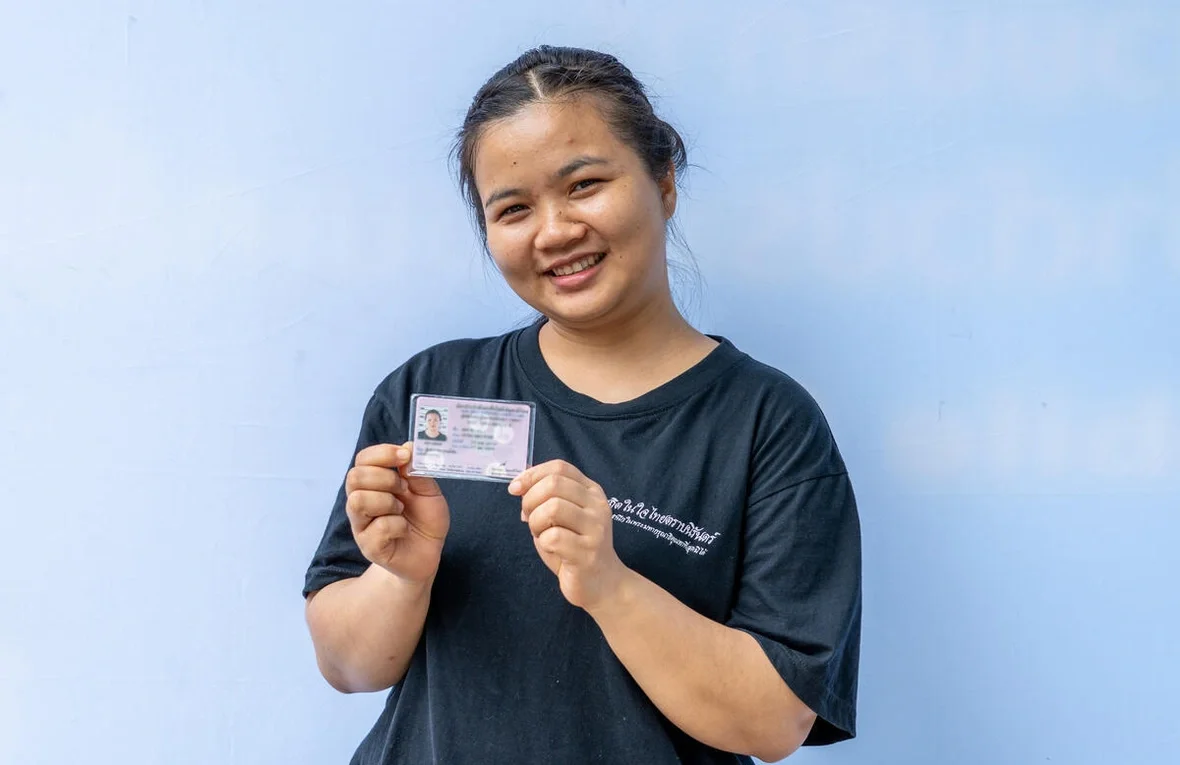
A work permit is a milestone, but it is not self-reliance. As Thailand approaches the first anniversary of its landmark refugee work permit reform this August, policymakers, practitioners, and refugee communities alike have an opportunity to reflect on what economic inclusion truly means and what social protection challenges still remain to enable refugees to live with safety and dignity.
From Legal Right to Real Opportunity: Why the Right to Work Depends on a Document
This blog post from RSRI Network Engagement Intern Zoë Parkin focuses on the role of documentation in refugee employment. It examines a recurring gap between policy and practice: refugees may have a formal right to work, but the documents and administrative systems needed to exercise that right remain inaccessible.
Our Stories, Our Evidence, Our Solutions: Refugee-Led Research in Advancing Health and Inclusion
In this guest blog, Youth Voices Community (YVC) shares how its refugee-led research in Nairobi uncovered the critical links among health, disability, and economic opportunity, and how those findings evolved into community-led advocacy and institution-building. As humanitarian funding shrinks and policy landscapes shift, YVC argues that investing in RLOs and locally driven evidence is essential to ensuring that refugees with disabilities can achieve lasting self-reliance and inclusion.
This World Refugee Day, a New World Vision International Report Uses the Self-Reliance Index To Examine Aid Cuts, Hunger, and Child Well-Being
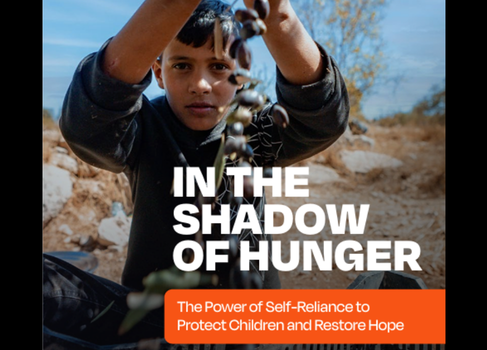
During World Refugee Week, the RSRI welcomes the release of In the Shadow of Hunger: The Power of Self-Reliance to Protect Children and Restore Hope, a new report by World Vision International (WVI), in partnership with the World Food Programme (WFP). The report uses the RSRI’s Self-Reliance Index (SRI) tool to examine the relationship between household self-reliance, food insecurity, and child well-being across eight countries.
Safety & Security: Essential for Refugee Self-Reliance
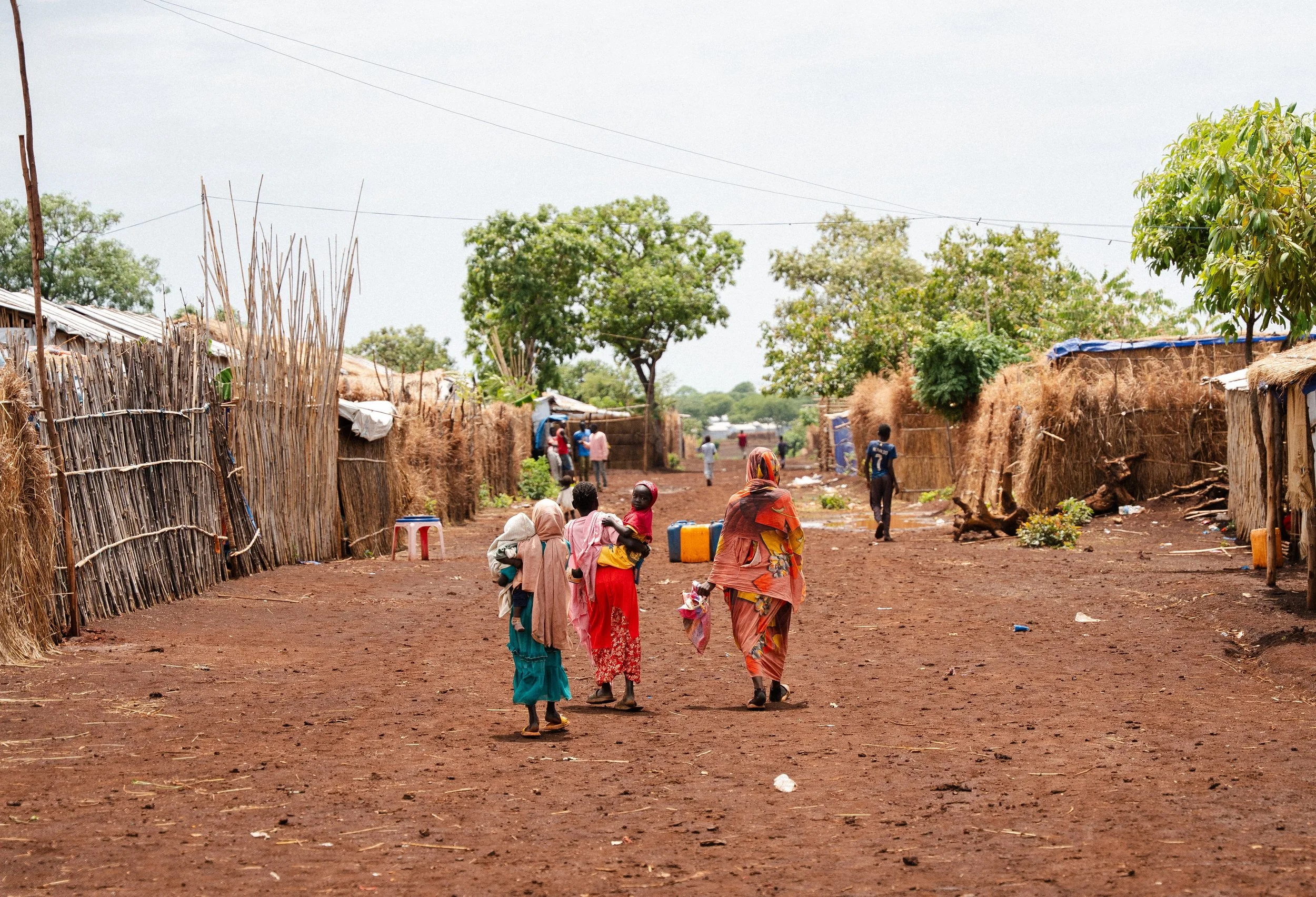
This blog post focuses on the essential role safety plays in refugee self-reliance. It examines how the Self-Reliance Index (SRI) measures the presence or absence of households’ safety and security, as well as how it measures the impact of safety on their self-reliance. It also explores some of the linkages between safety and self-reliance, and what becomes possible when refugees' safety and protection are observed and enforced in places of displacement.
Understanding Sexual and Reproductive Health and Rights as a Critical Pathway for Refugee Self-Reliance
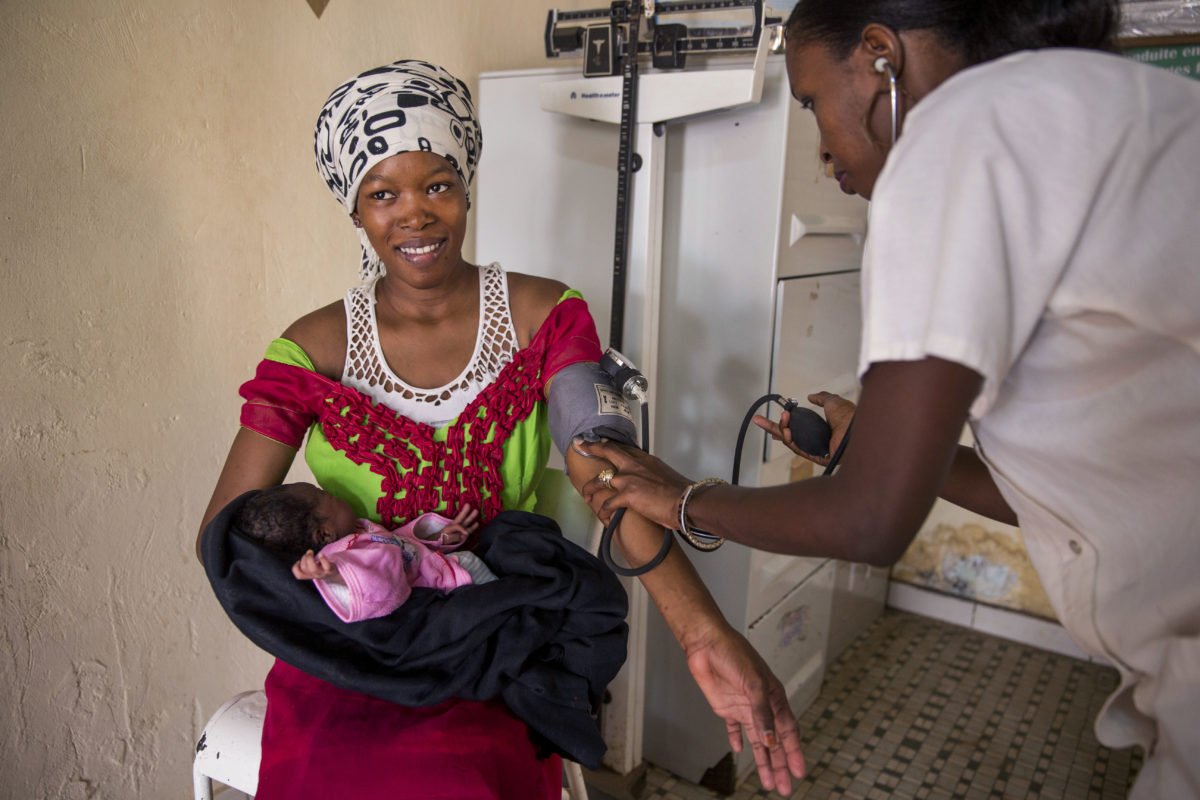
Sexual and reproductive health and rights are inseparable from refugee self-reliance. When refugees can make informed decisions about their bodies, plan their families, and access quality care throughout their lives, they are meaningfully better positioned to pursue education, secure livelihoods, ensure protection, and build stable futures for themselves and their households.
How Education Support Is Strengthening Self-Reliance for Refugee Families
As RefugePoint continues to strengthen its self-reliance programming, education remains a key pillar. The evidence shows that targeted, consistent support can make a meaningful difference, not just for children, but for entire households. Investing in education is not only about learning, but also a practical and effective way to stabilize households and support long-term self-reliance.
Fostering Long-Term Self-Reliance Outcomes Among Refugee Youth in U.S. Schools: Insights From SALaMA
SALaMA is a mixed-methods research initiative focused on refugee adolescents in U.S. schools. While the study didn’t measure self-reliance directly, its findings align with key SRI domains, showing that school-based supports—such as language learning, mental health services, and family engagement—can strengthen pathways to long-term self-reliance.
How Client Feedback Is Helping RefugePoint Improve Its Self-Reliance Food Support Programming
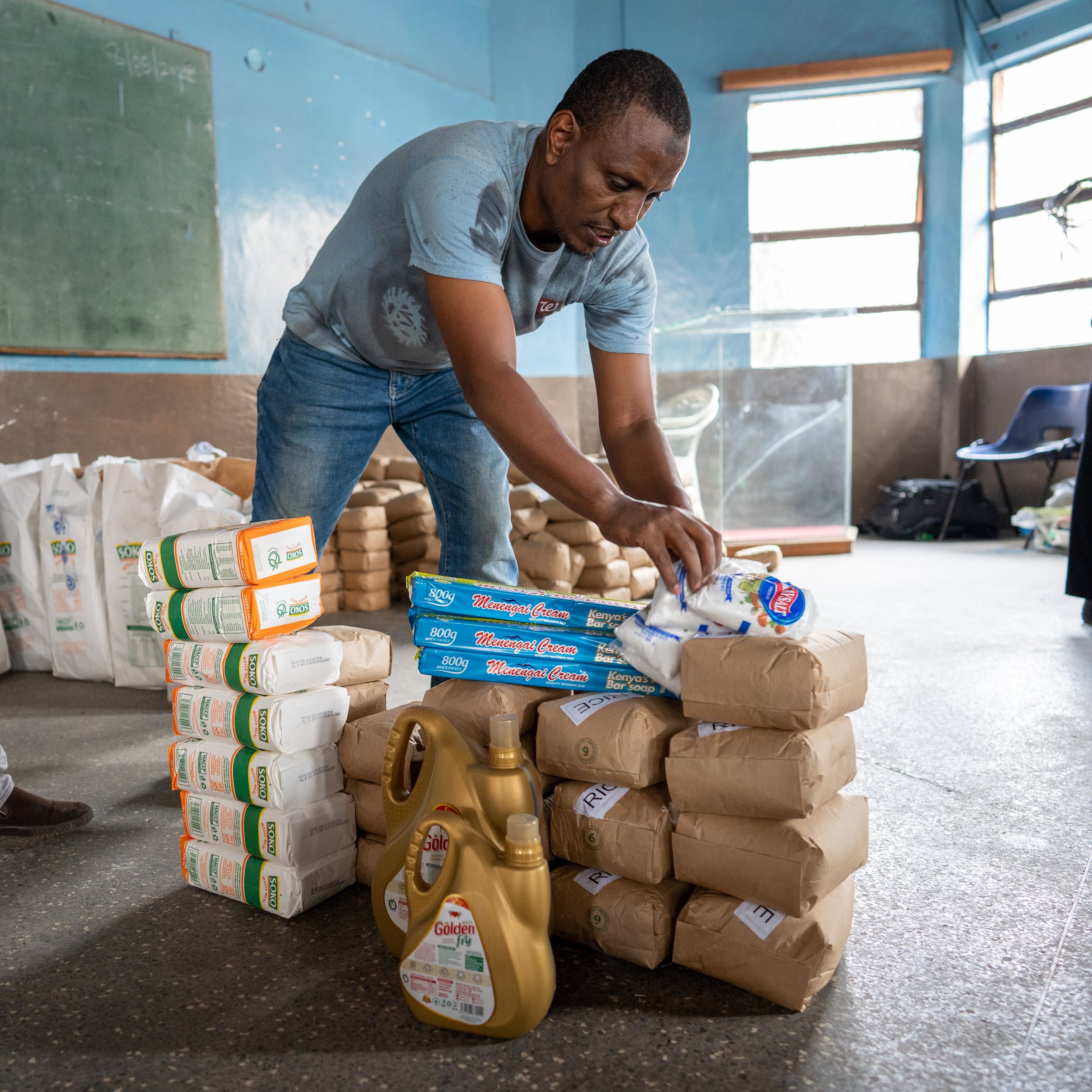
Listening to and acting on client feedback is helping RefugePoint adapt the ways its food support program supports self-reliance by offering clients greater flexibility and more tailored nutritional support.
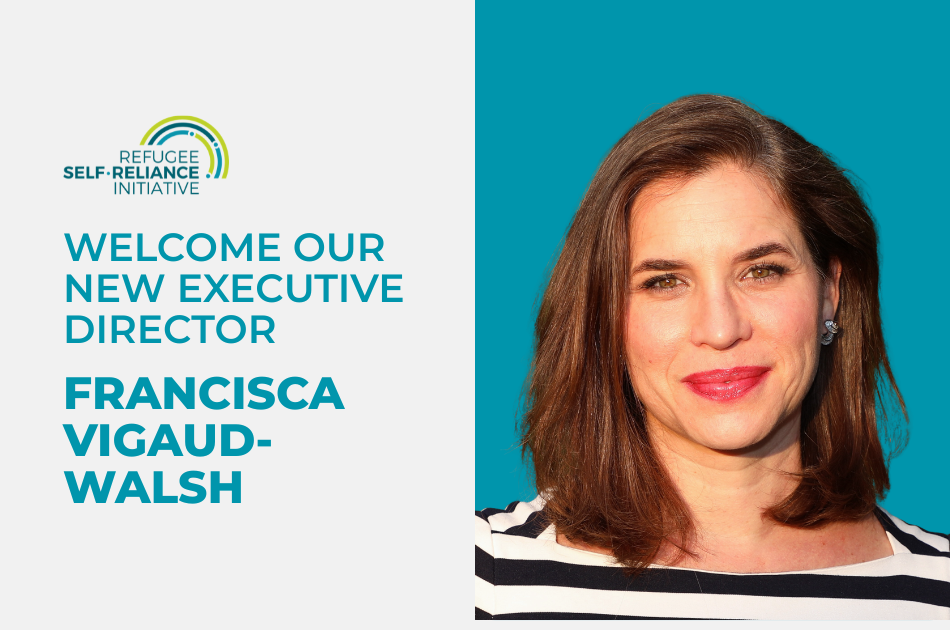
The RSRI Appoints Francisca Vigaud-Walsh as Executive Director
The Refugee Self-Reliance Initiative (RSRI) is proud to announce the appointment of Francisca Vigaud-Walsh as its new Executive Director.
Housing and New Pathways to Self-Reliance: Emerging Evidence from Rental Support Interventions in Colombia for Displaced Women
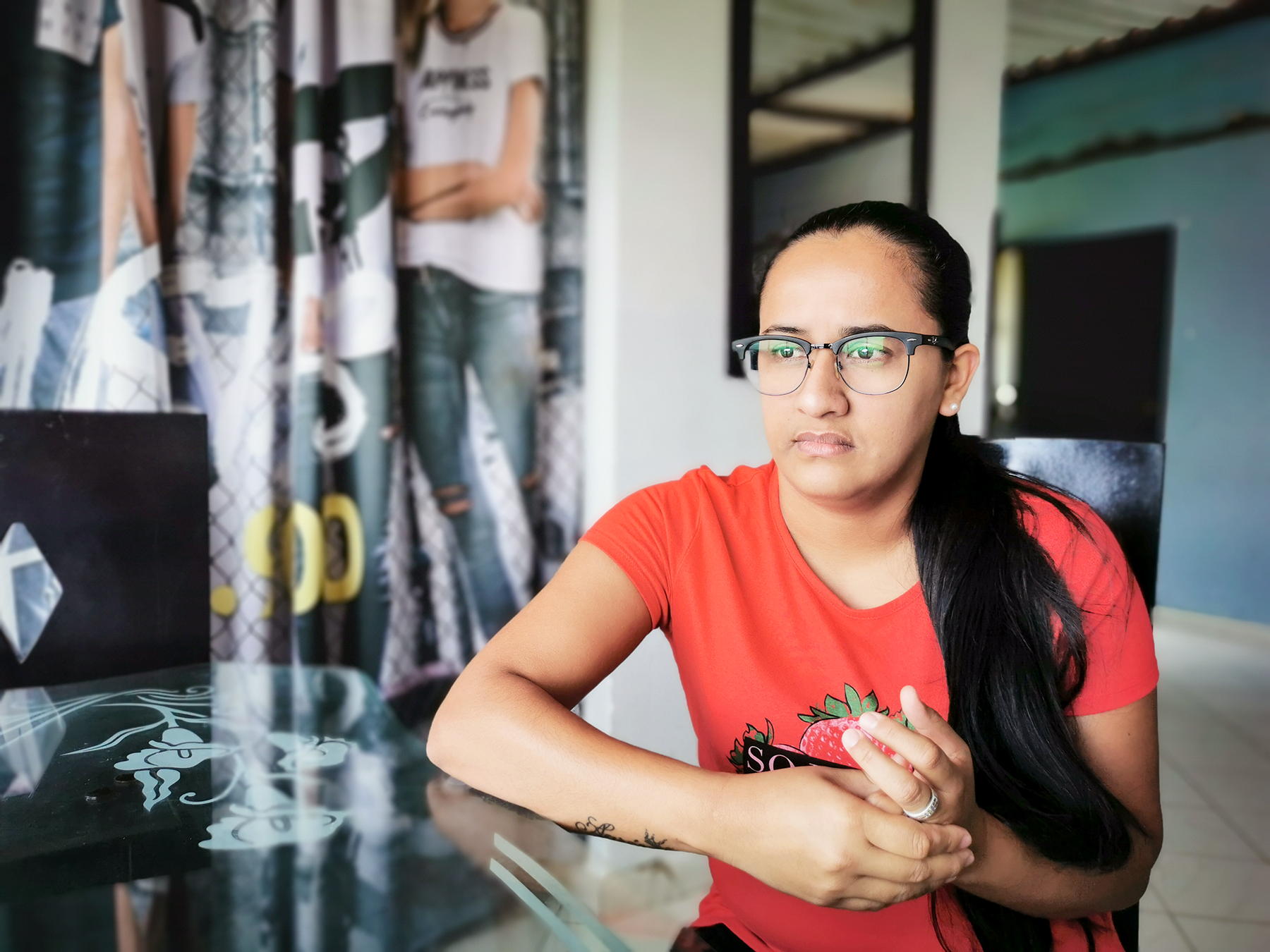
Guest authored by Juan Pablo Franco Jiménez, Country Director of Blumont in Colombia, this 12 Months, 12 Domains blog post explores housing as an emerging path that delivers life-changing impact for IDPs, refugees, and migrants in Colombia and beyond.
Investing in Refugee Self-Reliance: A Reality Check and Call to Action
This collaborative document presents the RSRI network's key messages and call to action to the humanitarian and development community in relation to the Global Refugee Forum (GRF) Progress Review 2025 taking place in December 2025. It aims to inform the GRF Progress Review, the broader network of actors engaged in self-reliance programming for displaced people, and the wider humanitarian and development sector regarding ongoing commitments and next steps in refugee self-reliance programming.
Who Gets Seen: How RLOs Remodel Media Inequalities in Pursuit of Self-Reliance
In the evolving world of humanitarian aid, the sector community talks about localizing power by shifting leadership to refugee communities and enabling RLOs to take charge of their futures. But behind the effort to create valuable change that supports these organizations' growth lies a deeper question: When we are working to uplift these organizations, who gets seen in reality?
A Letter From the Refugee Self-Reliance Initiative's Executive Director
RSRI Executive Director Kari Diener announces her departure and reflects on the numerous milestones and achievements the RSRI has reached since she was hired as its first Executive Director in 2022.
RSRI Community of Practice Survey on U.S. Executive Actions and Refugee Self-Reliance
The RSRI Community of Practice Survey revealed deep and broad-reaching impacts of the U.S. Executive orders, with a disproportionate impact on front-line, grassroots responders. Just a few weeks in, the halt in funding is already contributing to significant backsliding of self-reliance outcomes for refugees, other forcibly displaced populations, and host community members.
RLO-Led Insights Fund
The RLO-Led Insights Fund aims to promote and elevate refugee-led research and refugee perspectives in building the self-reliance evidence base.
RSRI Statement on U.S. Executive Actions
The Trump administration’s recent series of executive orders has led to monumental shifts in the global aid landscape. What does this mean for the RSRI network and the self-reliance of refugees?
One Year On From the 2023 Global Refugee Forum
In December 2023, the RSRI spearheaded the launch of the Multistakeholder Pledge on Economic Inclusion and Social Protection (EISP) at the 2023 Global Refugee Forum (GRF) in Geneva, the world’s largest gathering in support of refugees and the countries that host them. One year later, the RSRI reflects on the pledge’s progress and the future of self-reliance for refugees.
RSRI Statement on 2024 U.S. Presidential Election Results
Following the results of Tuesday's elections in the U.S., our commitment to expanding opportunities for refugees and other forcibly displaced populations is stronger than ever.